A Warning from the UN Chief: The World Needs a Global Economic Transformation
Beyond Growth: Rethinking Prosperity in an Age of Climate and Inequality

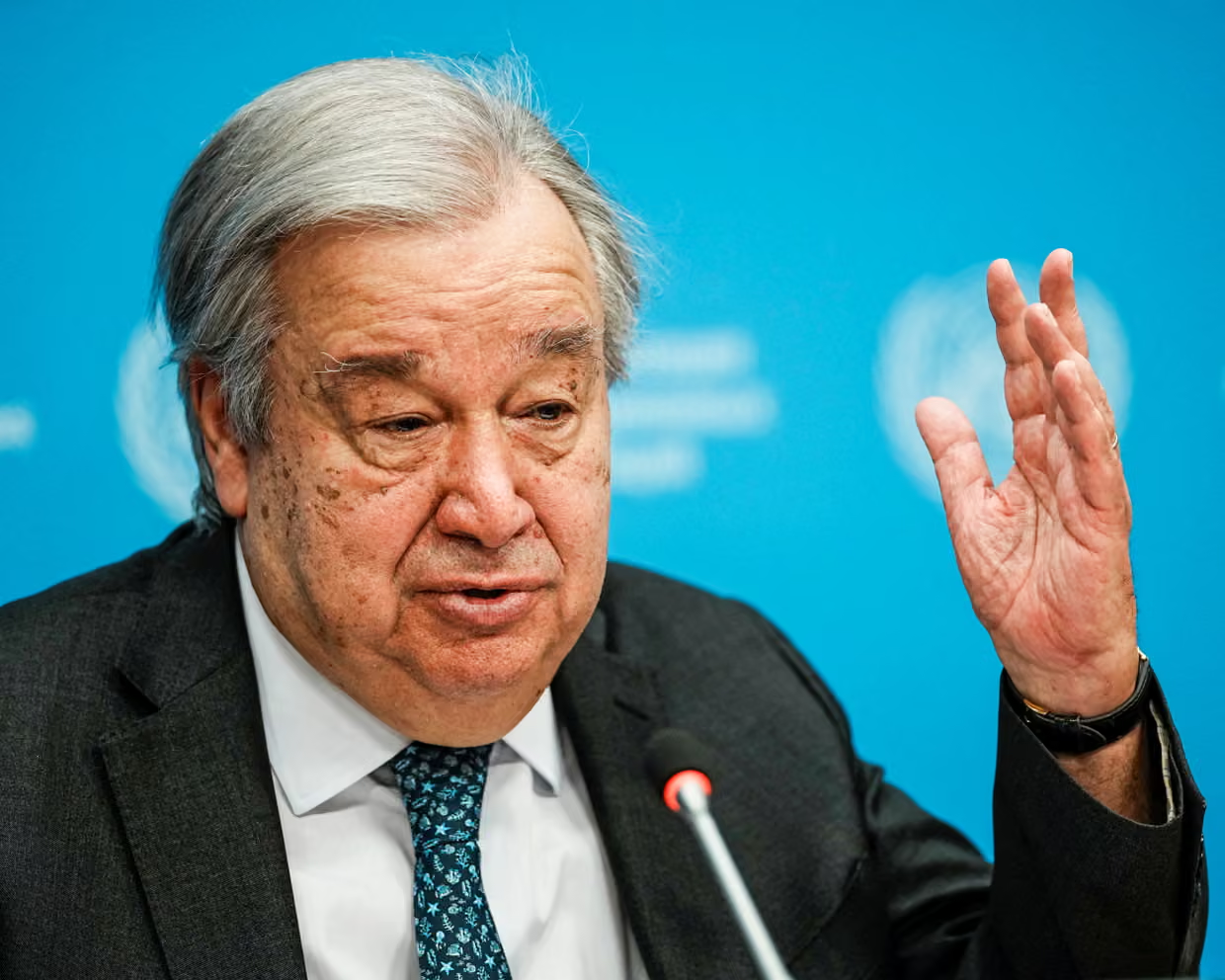
Right now, the global economy is at a turning point. Pretty much everywhere you look, countries still obsess over GDP—if it’s up, it’s good news. But the world keeps throwing curveballs: climate disasters, rising inequality, and wrecked ecosystems. Clearly, the old numbers aren’t telling the whole story anymore.
That’s why António Guterres, the UN Secretary-General, didn’t mince words. He said it straight: we can’t keep chasing endless economic growth and expect everything to work out. If we don’t get smarter about what we value, we’re heading for trouble—real, lasting trouble.
Why GDP Doesn’t Cut It Anymore
For years, GDP has been the scoreboard for national success. The bigger, the better, right? Not exactly. Here’s the problem: GDP ignores some of the most important things in life.
It doesn’t count:
- The damage we do to the environment
- How wealth gets divided
- Whether people are actually better off
- If what we build today can survive tomorrow
Take deforestation as an example. Cutting down forests boosts GDP because it creates jobs and sells lumber. But it leaves the planet weaker—and that cost doesn’t show up in the numbers. So, a country might look like it’s booming, while quietly digging its own grave.
Shifting from Growth to Real Progress
Guterres is calling for a transformation. Not just more growth, but better growth—growth that actually makes life better and the planet safer. That means measuring success in new ways, looking at:
- Climate health
- Ecosystem strength
- Social well-being
- Long-term stability
Honestly, this isn’t just a moral debate. It’s about survival. If we keep pushing past the limits of the planet, we’ll pay for it later—and not just with money.
What Happens If We Don’t Change?
Guterres didn’t sugarcoat it. Sticking with the old playbook means:
- More climate disasters
- Fewer resources
- Greater unrest
- Wider inequality
And it’s always the most vulnerable countries who get hit first and hardest, even though they’ve contributed the least to the problem.
If we keep chasing “growth” without thinking ahead, we’re basically speeding up our own decline.
Building a New Economic Model
All over the world, leaders are starting to look for new ways to measure progress. They’re looking at:
- Well-being and happiness
- Green, sustainable economies
- New ways to track development
- Systems that value people and the planet
The idea is simple: success isn’t just about how much you produce, but how you live and how long you can keep it up.
Change won’t happen overnight. But every new investment in clean energy, recycling, or protecting nature is a step in the right direction.
Bottom Line
Guterres’ warning isn’t just talk—it’s a call to action. Economic growth still matters, but without balance and sustainability, it turns into a ticking time bomb.
The real question isn’t whether we need to change—it’s whether we’ll move fast enough to avoid the worst. The clock’s ticking.