How AI Is Reshaping the Global Economy: A Comprehensive Overview

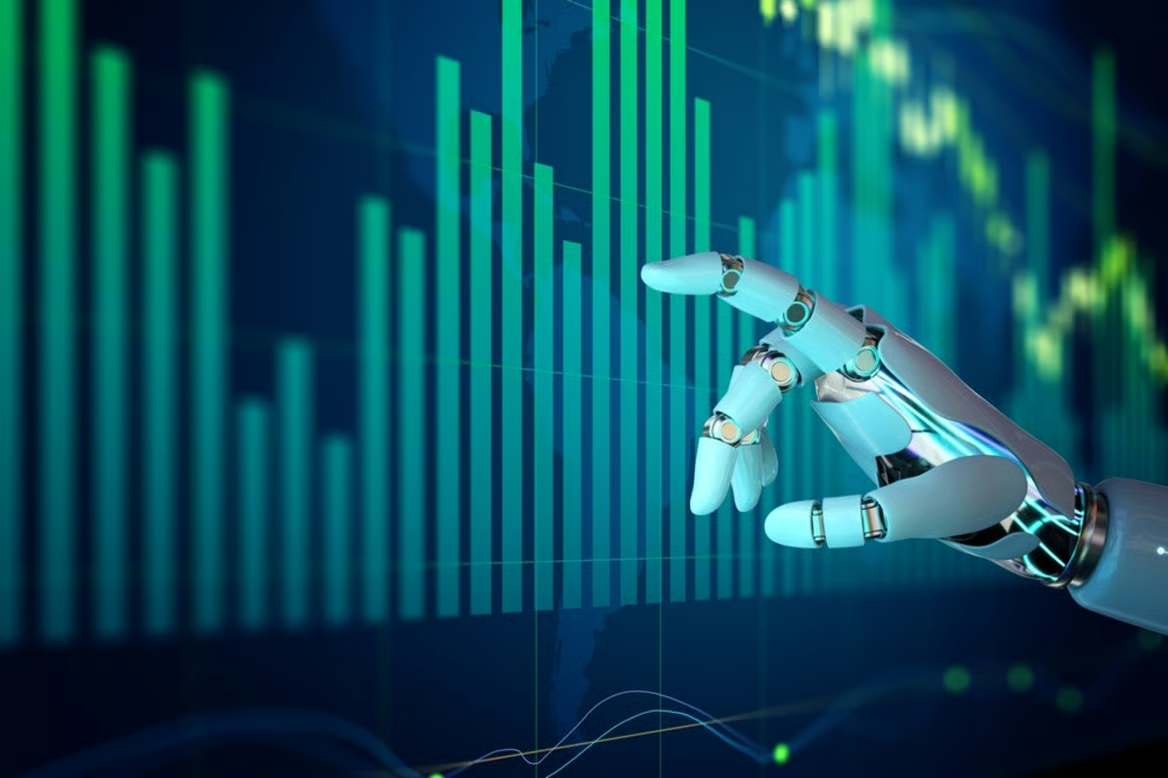
Look, AI isn’t just some passing tech fad; it’s a monumental force, completely reshaping how industries operate, societies function, and economies worldwide are structured, affecting everything from productivity to job markets and sparking brand-new possibilities across countless fields, necessitating immediate and serious consideration from anyone who cares about the future. Understand that. Getting a grip on AI, global economy stakeholders must adapt. It’s not a suggestion. Just necessity.
My gut tells me we’re just scratching the surface. We believe ignoring these shifts guarantees getting left behind. Ready?
AI: Productivity Gains and the Job Market Jolt
AI systems revolutionize productivity. They automate tasks, optimize processes, sharpen data analysis. Meaning? Increased efficiency. Lower operational costs. Higher output. Across industries.
But it’s not all sunshine. Productivity surges shift labor markets. AI creates new jobs—like data science. It automates old ones. Reskilling? Vital. Projections show AI could impact up to 40% of global jobs. Smart policies needed.
How AI Creates New Businesses (And Changes Old Ones)
AI isn’t just a tool; it’s a powerful force. It sparks inventive business models, rewrites market dynamics. Companies use AI for personalized experiences, predictive analytics, fresh products. Impressive.
AI-powered platforms deliver hyper-targeted advertising, dynamic pricing, on-demand services. Markets get responsive. Businesses? They need to be smarter. Competition’s about tech smarts. Startups and big players? Integrating AI.

AI’s Big Hurdles: Geopolitics and Ethics
Look, AI’s rise brings serious geopolitical, ethical baggage for the global economy. Nations scramble for AI leadership. It’s vital for economic power, national security. This tech race? Creates varied regulatory frameworks. Could split global markets. A mess.
Then ethics. Data privacy worries. Algorithmic bias. Fairly distributing AI’s economic benefits? Addressing these demands international cooperation. We can’t ignore them. Make inequalities worse? No. AI must serve everyone.
The Future with AI: Challenges and Opportunities for the Global Economy
Facing AI in the global economy presents massive challenges, huge opportunities. We’ve got to manage job displacement, ensure digital inclusion, develop ethical AI frameworks. Don’t forget, large AI models suck up energy. An environmental worry.
But the opportunities? Immense. Driving sustainable growth. Solving tough global problems—like climate change. Fueling new ideas. We believe strategic investments in education, infrastructure, research are vital. Grab AI’s potential, soften risks.

Wrapping It Up: AI’s Future
So, AI’s influence on the global economy? Undeniable. It’s complex. Promises big gains in productivity, innovation. But also demands careful thought about its societal, labor, ethical implications. We’ve got to be smart.
My advice? Successful integration needs proactive policy-making, continuous education, international collaboration. We must ensure AI serves as a powerful engine for inclusive, sustainable growth. We can do this right.