
Small Enterprises as Catalysts for Regional Economic Growth


Smaller firms have always played a big part in boosting local economies. Because they adjust fast to changes, stay agile, while meeting neighborhood demands, they help lift living standards. Across poorer areas, such companies support most day-to-day commerce – creating jobs as well as keeping communities steady. Getting what they do matters if we want growth that’s fair and lasts over time.
The Strategic Role of Small Enterprises
Small businesses boost local economies in big ways. Since they grow out of a place’s distinct traits – like traditions, land features, or population qualities – they stay rooted in community needs. Being tied directly to their surroundings helps them adapt quickly when shoppers change minds or new patterns pop up.
Fewer people need to move to cities when small businesses hire locally – this keeps towns lively while spreading out where folks live. These jobs boost family earnings, so more cash gets spent nearby, sparking extra business action around town. Local work options mean some folks skip big factories or distant offices, especially if those aren’t easy to reach.

Types of Small Enterprises with High Local Impact
Some small businesses can really boost local economies – take shops, cafes, or repair services – they often keep money flowing within communities while creating jobs and encouraging new ideas
1. Culinary and Food Processing Businesses
Small eateries, street-food stalls, or home-based kitchens help keep a place’s taste alive. Not only do they rely on nearby farms for fresh goods, but also give locals jobs. Instead of importing flavors, these spots highlight what the region naturally offers. While serving daily meals, they quietly boost pride in hometown dishes.
2. Handicrafts and Creative Industries
Crafts like woven fabrics, clay pots, carved wood pieces or hand-made jewelry show what a place’s culture is really about. These small creative ventures keep old customs alive while bringing in visitors from nearby areas as well as faraway countries – helping boost income along the way.
3. Agro-Based Microenterprises
Farm goods like fresh veggies, plant-based drinks, or dried fruit open real income chances. Mini processing units boost crop worth while building steady chains helping growers, sellers, and shop owners alike.
4. Community-Based Tourism Services
Self-led trips, staying with locals, renting bikes or boats, also joining folk music shows help towns grow through travel. These little businesses make guests’ time better but spread cash around so more families gain.
Challenges Faced by Small Enterprises
Even though they’ve got promise, small businesses face plenty of hurdles. Without enough cash on hand, growth gets tough since loans are hard to land. On top of that, owners usually don’t know much about promoting online or handling day-to-day operations well. Because of this gap, keeping up with bigger players – or selling beyond local customers – feels out of reach.
Enhancing the Contribution of Small Enterprises
To make things work better, working together really helps. Small businesses get a boost when local leaders make permits easier, give out funding help, or run workshops on online sales and budgeting. Teaming up with companies might lead to fresh ways to sell products, whereas active neighborhood participation keeps progress going steady.
Conclusion
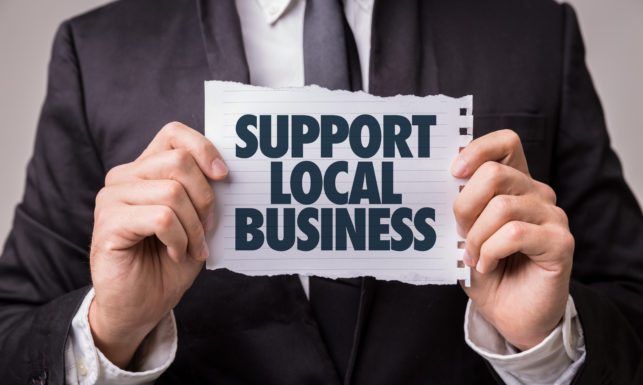
Small businesses can really boost local economies. Using what’s nearby, trying new ideas, while creating jobs helps build steady growth over time. When given the right help or smart funding, such companies lift up neighborhoods, make areas stronger in competition, also lead to an economy that includes more people and bounces back easier.