
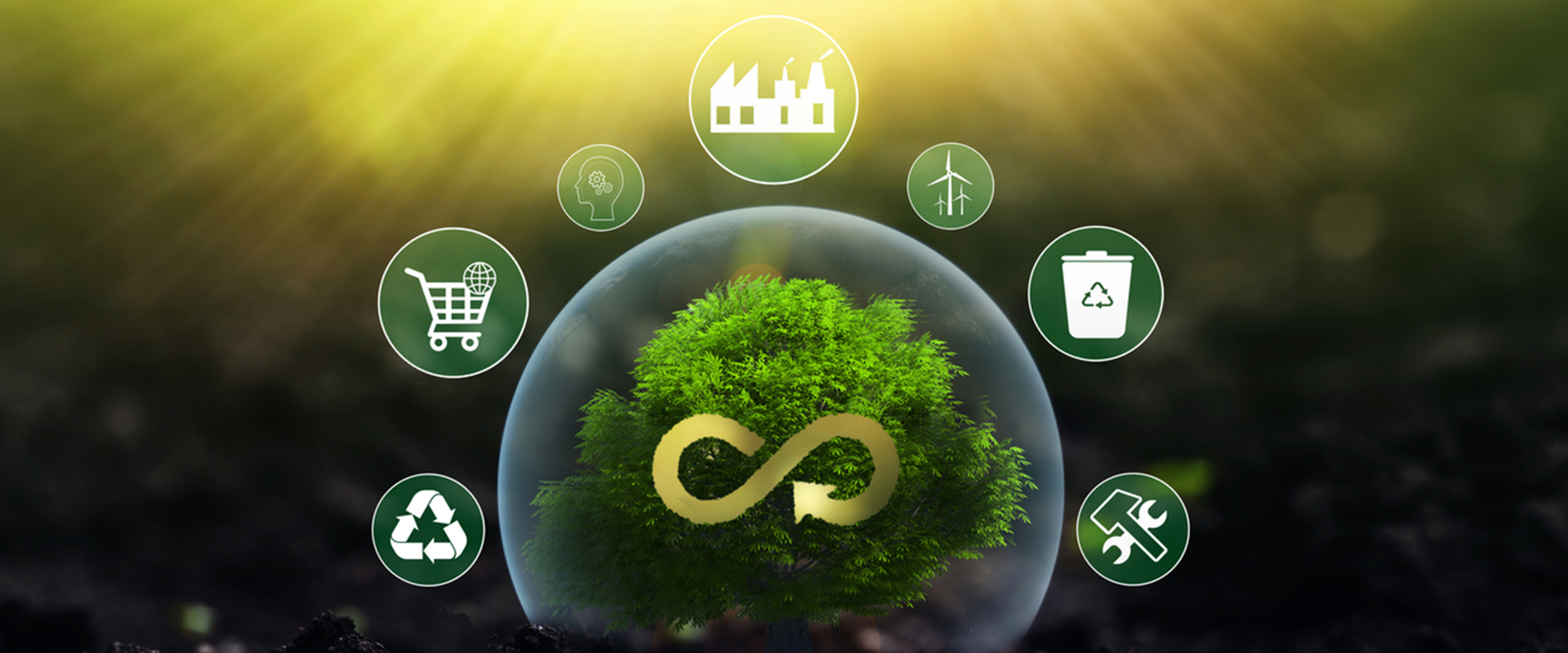
As environmental concerns rise resources dwindle daily, the circular economy is emerging as a practical option for sustainable growth. Rather than following the outdated cycle – make, use, discard – it emphasizes reuse, repair, extending product life. This shift cuts damage to ecosystems while creating new chances for businesses, sometimes turning waste into profit. No matter if you’re an individual managing a large enterprise, this approach provides a clearer way to stay resilient amid constant change.
Understanding the Circular Economy Model
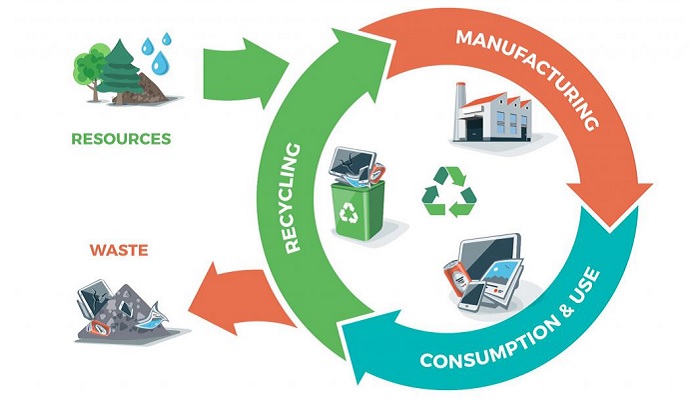
The circular economy works like this: design out trash, keep products going via reuse, while fixing damaged environments together. It swaps throwaway habits by shifting how goods are built, managed post-purchase, also reborn later – drastically lowering harm to nature overall.
In daily life, the circular economy encourages fresh thinking – reusable containers, modular gadgets, items that decompose on their own, or systems designed to recycle every bit. Companies following this model try to do more with fewer materials, creating cycles where trash becomes raw supplies again. Rather than sticking to take-make-waste routines, they adopt broader views focused on durability.
How Businesses Benefit from Circular Strategies
Businesses that go circular often end up saving cash. Why? Because relying less on fresh supplies means lower spending. If prices swing or raw materials get pricey, reusing what’s already around really helps out.
On top of that, loop-style systems open up new income paths. Companies bring in cash via resale markets, repairing damaged goods, leasing gear, or turning waste into usable things. Industries such as fashion, electronics, and construction now build worth by recycling used bits rather than dumping them.
Folks these days prefer companies that actually look after nature. Businesses doing greener stuff gain loyalty, create deeper ties with buyers, or attract those who think twice before spending. Since shopping habits keep shifting, loop-style systems are shaping what the marketplace will become.
Challenges in Implementing Circular Economy Practices
Still, making the switch ain’t simple. A bunch of firms struggle to design stuff that’s repairable down the line. Shifting away from traditional methods needs funding, new gear – sometimes a whole overhaul in operations.
Folks often skip sorting waste ’cause many spots lack basic recycling tools – this drags the whole loop system down. For suppliers, factories, and disposal teams to sync up, solid coordination is key. Everyone’s got a role; simple actions – dumping scraps right, returning old gadgets, grabbing refurbished goods – should just stick without thinking.
Rules can slow things down. While some bosses support eco projects, many areas still lack clear plans for recycling setups. Fixing this needs new thinking, more knowledge, or consistent effort.
Closing: The Future of Circular Innovation
As focus grows, using items again – instead of throwing them away – might become central to saving nature. Because of fresh progress in bio-science, substances, and clever tools such as machine learning for sorting waste, shifting toward reuse could speed up. Firms probably will design things to endure or get remade, while regulators might enforce tougher eco-standards – even as buyers appear keen on sticking with cleaner picks.
In coming times, circular ways won’t simply sit on the sidelines – they’ll move into big global industries. Think reusable stuff in wraps or shops with zero trash – this setup turns today’s problems into tomorrow’s gains.

