The Green Economy: Exploring its Rise, Opportunities, and Challenges

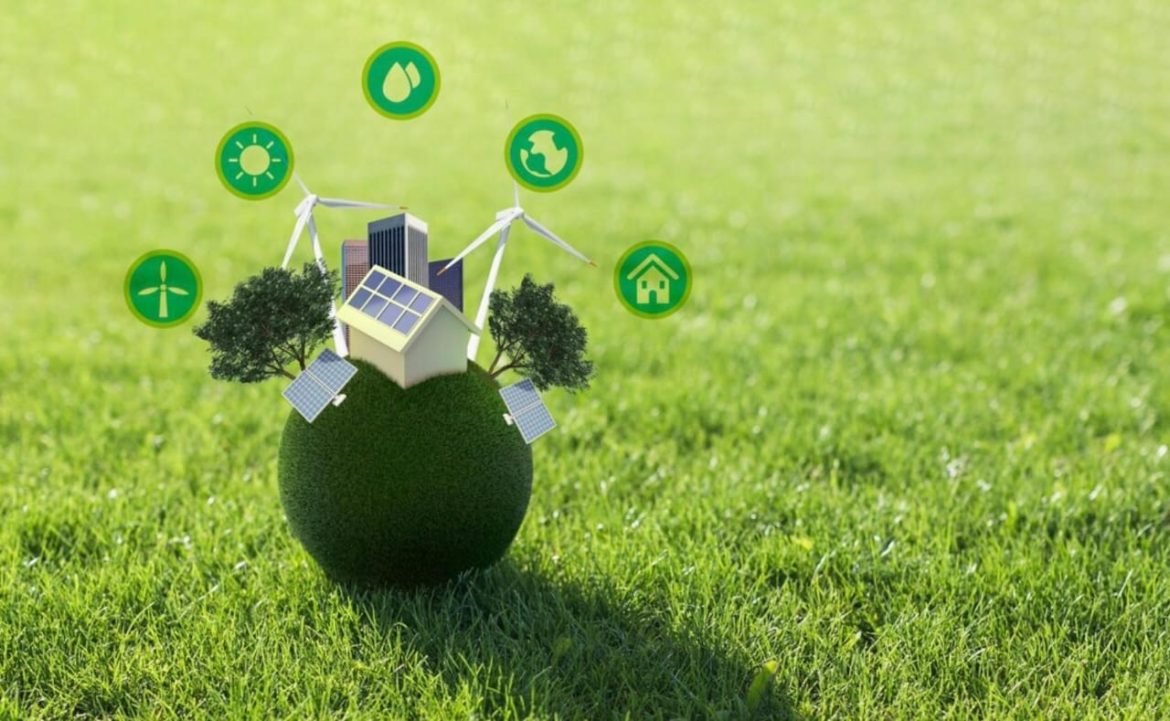
Ever wonder if we can truly have economic progress without utterly trashing the planet? We’re certainly trying. The global economy, as we know it, is actually changing quite a bit, with lots of folks focusing on a more sustainable future. This isn’t just talk; it’s pushing the green economy right to the forefront of pretty much every major conversation about policy and money. I believe it’s a radical rethink, honestly, one that says environmental health isn’t a luxury, it’s foundational to prosperity. We’re looking at its rise, the good stuff it brings, and those stubborn obstacles we simply have to overcome.
Understanding the Green Economy’s Rise and Definition
So, how did this “green economy” thing even get started? It didn’t just appear out of nowhere. It gained real traction because people got seriously worried about climate change, dwindling resources, disappearing species, and, let’s be honest, ongoing social problems. We define it, simply, as an economy that wants sustainable development without wrecking our environment. Key features? Low carbon. Efficient use of resources. And it has to be fair for everyone. The United Nations Environment Programme (UNEP) clearly states that a green economy betters human well-being and social equity, all while greatly cutting environmental risks and ecological scarcities. Its growing acceptance, in my opinion, stems from undeniable scientific agreement on our environmental messes, a public that increasingly wants sustainable products, and a growing understanding by both governments and companies that real, long-term economic stability simply ties back to a healthy environment. It just does. This mindset shift means environmental thinking isn’t just for activists; it needs to be everywhere, in every business, from factories to services.
Opportunities in the Green Economy
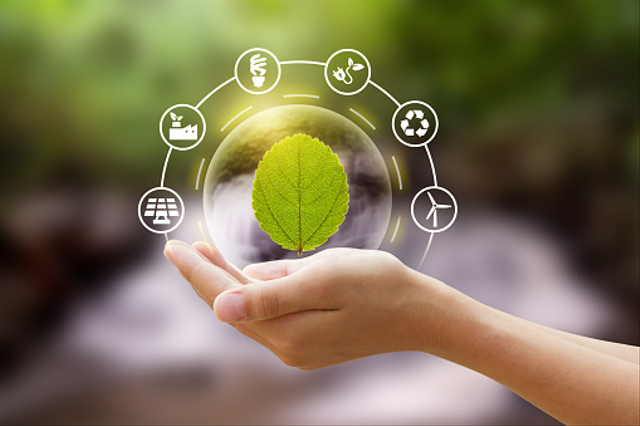
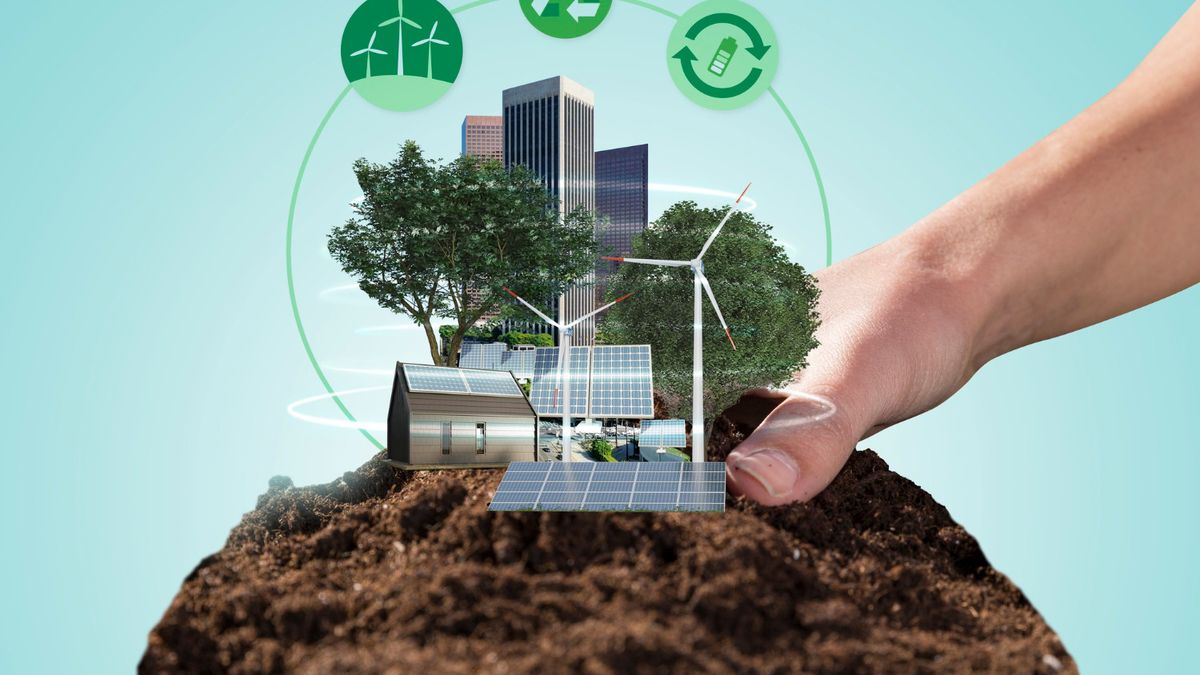
Think the green economy is just about hugging trees? Not even close! It brings so many exciting opportunities across sectors, it’s almost hard to keep up. Take renewable energy: solar, wind, geothermal—it’s just booming, creating new jobs everywhere, in manufacturing, in installation, and for maintenance crews. And sustainable farming? Practices like organic methods and permaculture actually promise food security while protecting our natural assets. Pretty cool, right? Beyond that, creating green technologies—think electric cars, truly energy-efficient buildings, or even advanced recycling systems—it all spurs on innovation and helps new industries get off the ground. We also believe the green economy makes businesses smarter about resources, cutting waste and operational costs. Plus, it pushes investment into infrastructure that actually lasts, makes countries less dependent on foreign oil, and even improves public health by cleaning up our air and water. For individuals? Loads of fresh career paths.
Challenges for the Green Economy
Look, it’s not all sunshine and wind turbines. The green economy, despite its obvious potential, faces some serious roadblocks. The biggest one? The sheer amount of upfront cash you need to switch to sustainable tech and build green infrastructure. That’s a huge barrier, especially for developing nations or smaller businesses trying to make a difference. And don’t even get me started on inconsistent policies and weak regulations across different places; that just messes with investor confidence and slows down adoption.
What’s more, industries built on old, fossil-fuel ways often fight change tooth and nail, making this whole transition much harder. Also, ensuring that workers from those traditional industries aren’t left behind—that they get retrained and supported—that’s a really big social puzzle we’ve got to solve. And finally, getting consumers on board and changing their buying habits takes time, a lot of education, and solid incentives. It’s not an overnight fix.