

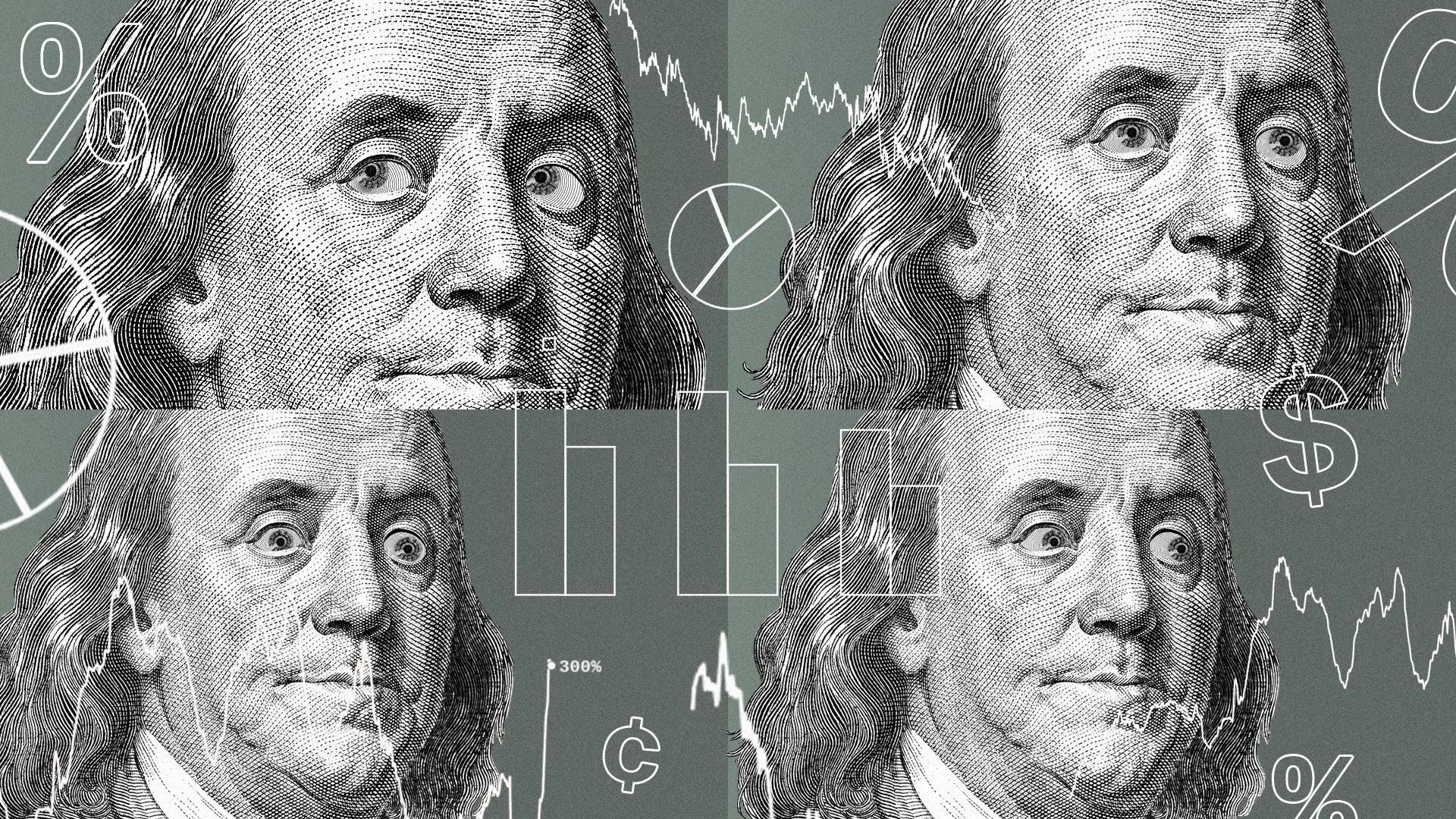
Lately, you might’ve heard the word “Vibecession” popping up everywhere—on news shows, in group chats, all over social media. At first, it sounds like some kind of joke, but it actually nails something real: sometimes, folks feel like the economy is tanking, even when the hard data says otherwise.
So what’s a Vibecession?
It’s basically a downturn you feel, not one you can always measure. The economy keeps chugging along on paper. Unemployment isn’t shooting up. But people look at their own lives and think, “Something’s not right.”
Here’s what that looks like:
– Wages aren’t really going up
– Groceries cost more than they used to
– Jobs feel harder to find
– Nobody feels financially safe
So, the stats say one thing, but people’s gut feelings say something totally different.

Why Does This Happen?
It’s not just random. There are a few reasons why the “vibe” gets so much worse than the numbers.
1. Prices Stayed High, Even When Inflation Slowed Down
Sure, inflation isn’t rising as fast now, but prices rarely go back down. Rent is still up, groceries aren’t going back to 2019 prices, and just driving to work costs more. Reports say things are stabilizing, but your bank account never really feels the relief.
2. Social Media Makes Everything Feel Worse
It’s not just what the news says anymore. Every day, you scroll past someone talking about layoffs, venting about how expensive everything’s become, or showing off how they’ve hacked their budget. When those stories go viral, it starts to feel like everyone’s struggling, even when the data doesn’t back it up.
3. Growth Doesn’t Mean Everyone Wins
The economy can boom, but that doesn’t mean your life gets easier. Big companies make record profits, the stock market goes up, but loads of people still feel stuck. If the average person doesn’t see that growth in their own pocket, the “good news” doesn’t mean much.
4. We’re All Still Shaken by Past Crises
After years of weirdness—pandemics, layoffs, price spikes—people are jumpy. Even small bumps make everyone nervous. A little rise in prices feels huge, and any instability feels like a threat. We’ve all got a bit of economic PTSD, and it colors how we see things now.

What Does Vibecession Actually Do?
Just because it’s about feelings doesn’t mean it’s not real. When people feel broke or insecure, they spend less. They hold off on big decisions—like buying houses, starting businesses, or even taking out loans. And if enough people do that, it can actually slow down the economy for real. It’s a loop: bad vibes lead to less spending, less spending leads to slower growth, and the cycle keeps spinning.
In the End, the Economy Runs on Emotion
The big takeaway? It’s not just about GDP or inflation rates anymore. How people feel matters—a lot. Confidence, security, trust—those are as important as the stats. So we end up with two economies: the one the charts show, and the one everyone feels in their gut. Vibecession kicks in when those two split apart.
Final Thoughts
Vibecession isn’t some textbook recession, but it can hit just as hard. People’s beliefs and moods shift how they spend, and that, in turn, shapes the real economy. If you want to really understand how things are going, you have to look beyond the numbers. Because at the end of the day, an economy runs on trust just as much as it does on growth.

