

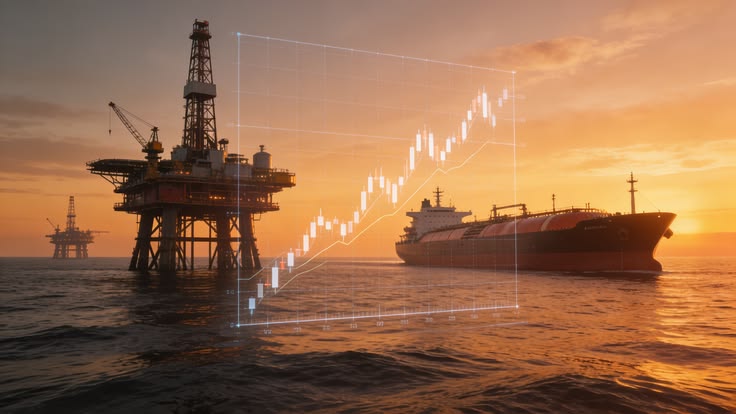
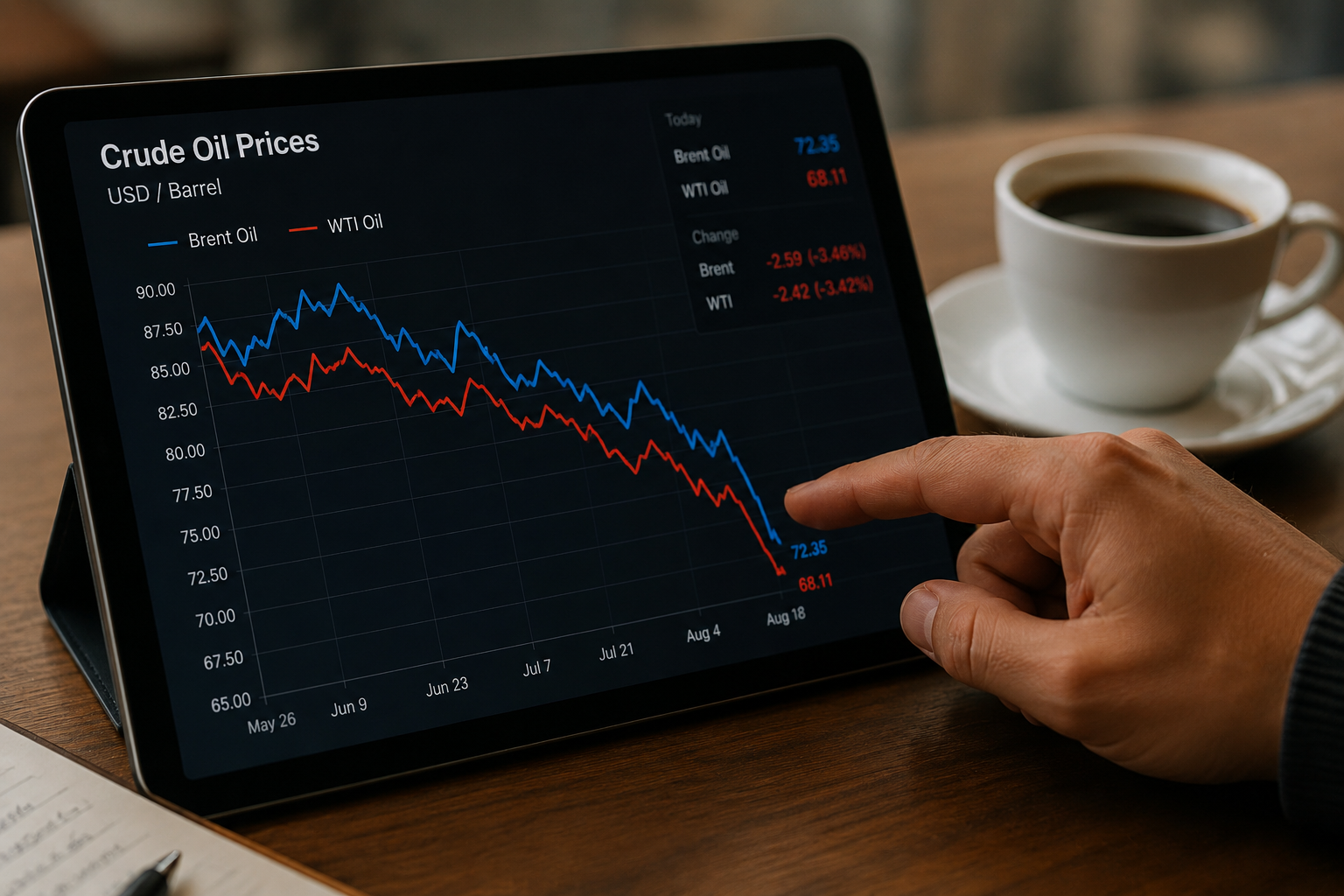
And here’s the thing about the energy market: it doesn’t care about your plans. By August 27, 2026, we’ve seen the whole board flip. Brent and WTI crude prices are sliding down. Why? Because the rumors are finally turning into something real. There’s talk—actual, diplomatic talk—about the Strait of Hormuz opening back up. For anyone keeping a close eye on Global Oil, this feels like the first deep breath we’ve taken in six months.
It’s been a rough ride. We’ve spent half the year staring at supply charts that looked more like a mountain range than a market trend. But now, the pressure’s letting up. We’re seeing a shift that could actually give the supply chain some room to move. It’s not a fix-all, but it’s a start. We think this is the moment where the “wait and see” crowd starts to get back into the game.
Understanding Global Oil
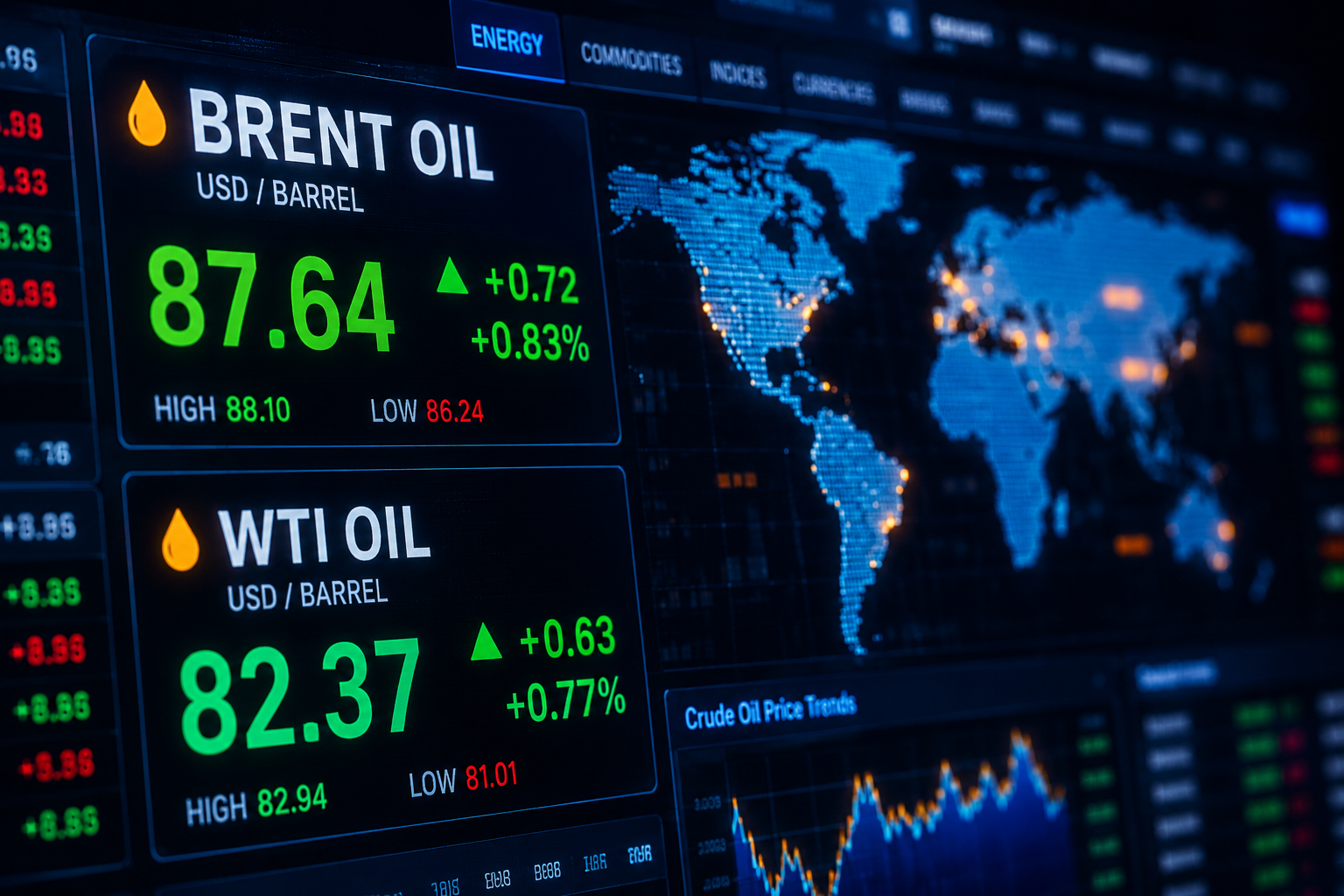
You can’t just talk about energy without knowing the big players. Brent Crude is the boss. It comes from the North Sea and sets the price for about two-thirds of the barrels that move across the ocean. Then you’ve got West Texas Intermediate, or WTI. That’s the heartbeat of the American market. If you’re trying to figure out why your shipping costs just jumped in Chicago, you look at WTI. It’s that simple.
But it’s not just about where the stuff comes from. It’s about who’s turning the valves. We’re talking about OPEC+ and their production quotas. We’re talking about the narrow chokepoints in the ocean where one stuck ship can ruin a month of profits. And we’re talking about refineries—those massive industrial complexes that actually turn the raw sludge into something useful. If one of those goes down for “maintenance,” the whole house of cards feels it. You’ve got to watch all of it. Really.
Why Global Oil Matters
Look, energy is the blood in the veins of the world. Period. When these prices start jumping around, it’s not just a problem for traders in fancy suits. It hits the cost of your morning coffee, the price of the plastic in your phone, and definitely what you pay for a gallon of milk. Everything moves on a truck or a ship. When the tank costs more to fill, you pay for it at the grocery store. It’s a direct line from the oil well to your wallet.
We’ve seen it happen time and again. High costs lead to inflation. Inflation kills the mood for consumers. Then, the whole economy starts to drag its feet. But when things stay steady? That’s when we see growth. Affordable energy means factories stay busy and international trade doesn’t feel like a gamble. We believe that if you want to know how the world’s doing, you don’t look at the stock market first. You look at the price of a barrel.
Top Strategies for Global Oil
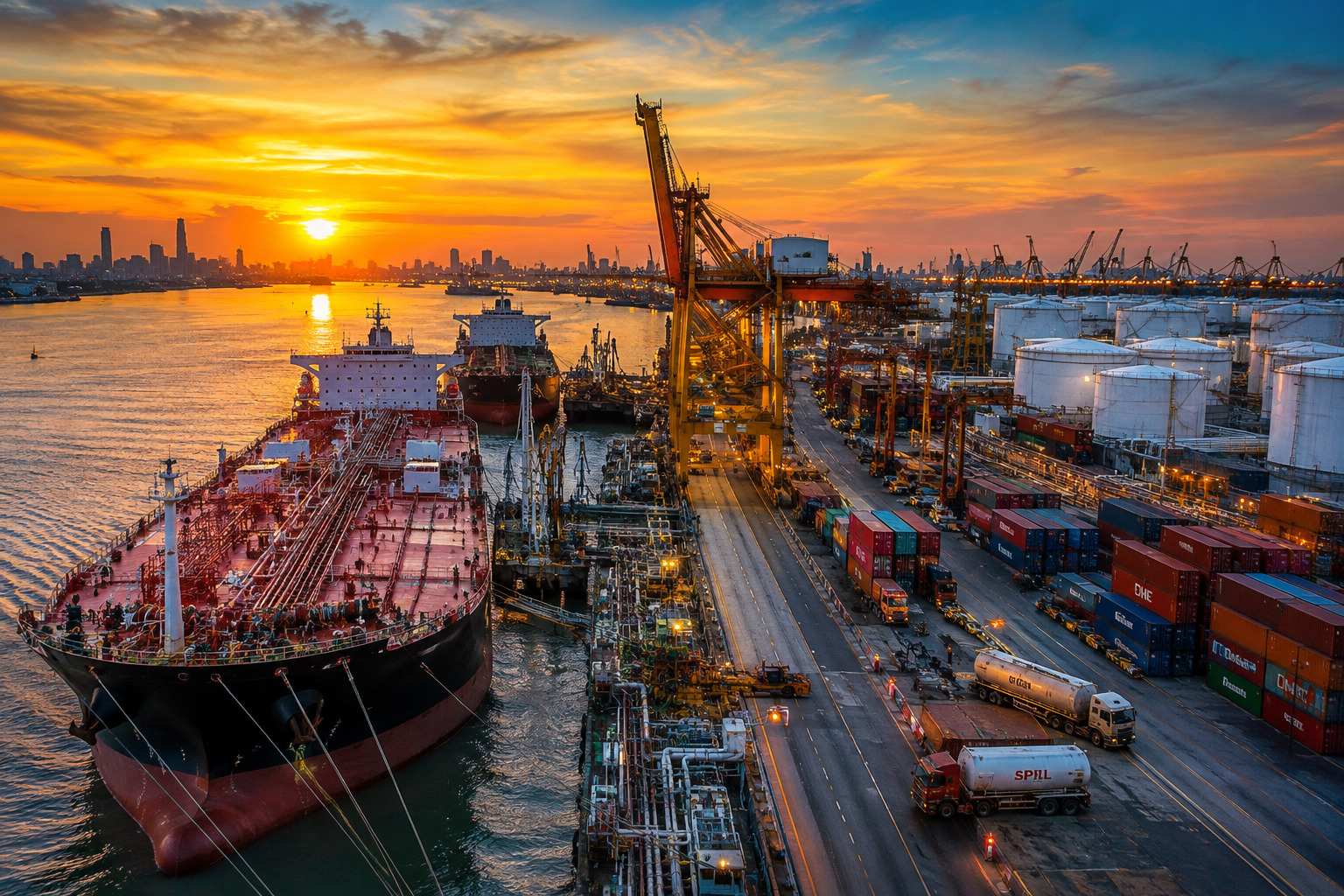
If you’re trying to survive this market, you can’t just wing it. First rule: don’t rely on one source. If you’re getting all your supplies from one spot or through one canal, you’re asking for trouble. Diversify. It’s not just a buzzword; it’s a survival tactic. We’ve found that the businesses that have three or four different ways to get what they need are the ones that don’t go under when a war breaks out.
Second, use the tools available. Hedging isn’t just for the big banks. It’s a way to lock in a price today so you don’t get destroyed tomorrow. Also, keep your ears to the ground. You need to know what’s happening in the Middle East and Eastern Europe before it hits the news. By the time it’s on the front page, the price has already moved. And don’t forget about being efficient. The less you need to buy, the less the market can hurt you.
Common Mistakes with Global Oil
People mess this up all the time. The biggest error? Forgetting the “risk premium.” When things get tense between countries, the price goes up even if the supply hasn’t changed yet. It’s fear. If you don’t account for that fear, you’re going to be late to the party every single time. We see organizations waiting until the price is at a five-year high to finally sign a contract. That’s just throwing money away.
Another huge blunder is ignoring the U.S. dollar. Since the world buys this stuff in dollars, the currency’s strength matters just as much as the supply. If the dollar is strong, the barrel gets expensive for everyone else. Demand drops. The price follows. And for the love of all things, check the inventory data. The EIA puts out reports every week. If you aren’t reading those, you’re basically guessing. And guessing is a great way to lose a lot of money very quickly.
Advanced Tips for Global Oil
Want to play with the big kids? Get some better data. We’re talking satellite imagery. There are firms out there that track tankers from space. They can see how many ships are sitting off the coast and how full the storage tanks are before the official numbers come out. If you see a pile-up of ships before the market does, you’ve got a massive head start. It’s not science fiction; it’s just how things work now.
Also, watch the “crack spread.” That’s the gap between the price of the raw crude and the refined stuff like gas or diesel. If the spread is huge, the refineries are making a killing, which usually means they’re going to want more raw material soon. It’s a leading indicator. Finally, don’t sleep on green hydrogen or carbon capture. They aren’t replacing the old way tomorrow, but they’re starting to eat into the long-term demand. You’ve got to look at the ten-year horizon, not just the ten-minute one.
Buying Guide: Choosing the Best Global Oil
When you’re actually picking what to buy, you’ve got to look at “gravity.” Is it light or heavy? Light stuff is like the premium stuff—it’s easier to turn into gasoline. Heavy stuff is thick and harder to work with. If your refinery isn’t built for the heavy sludge, you’re wasting your time. Then there’s the sulfur. We call it “sweet” if it’s got less than 0.5% sulfur. Everyone wants sweet oil because it’s cheaper to process and better for the environment.
The “sour” stuff is cheaper to buy, but you’ll pay for it in refining costs. It’s a trade-off. You also have to think about where it is. Brent is great because it’s on the water. You can ship it anywhere. WTI is mostly landlocked in the U.S. piping system. If you’re in Europe, WTI might not be worth the headache of getting it there. Check your supplier’s track record. If they’ve got a history of “unforeseen delays,” find someone else. Reliability is worth the extra buck.
Conclusion
The way prices are dropping right now just shows how jumpy this market is. One headline about a strait reopening and everything changes. You’ve got to stay awake. By getting the basics of the benchmarks down and actually using a real strategy, you can stop being a victim of the price swings. It’s a messy, volatile world out there. But it’s also full of opportunities if you know where the traps are hidden.
Don’t let the “risk premium” scare you into making bad moves. Stay focused on the facts—like the dollar strength and the inventory levels. We’ve seen plenty of folks get burned by following the crowd. Don’t be one of them. Take the data, make a plan, and stick to it. The market is going to keep moving, with or without you.
FAQ
What is the current price of Brent and WTI?
Right now, in late August 2026, Brent is sitting around $87.24. WTI is trailing it at about $81.67. Both are heading down because people are feeling better about the geopolitical mess.
Why is the Strait of Hormuz so important?
It’s a tiny bit of water that carries about 20% of the world’s petroleum. If it closes, the world stops. If it opens, prices drop. It’s the ultimate chokepoint.
How does the U.S. Dollar affect oil prices?
Since everything is priced in dollars, a strong dollar makes it more expensive for people in Europe or Asia to buy. That usually kills demand and pushes prices down.
What is the difference between “sweet” and “sour” oil?
Sweet is the good stuff—low sulfur, easy to refine. Sour has a lot of sulfur and requires a lot more work (and money) to turn into gas.
How can I protect my business from price spikes?
Hedge your fuel costs. Don’t buy everything on the spot market. And for heaven’s sake, make your operations more efficient so you aren’t so dependent on the barrel price in the first place.

