

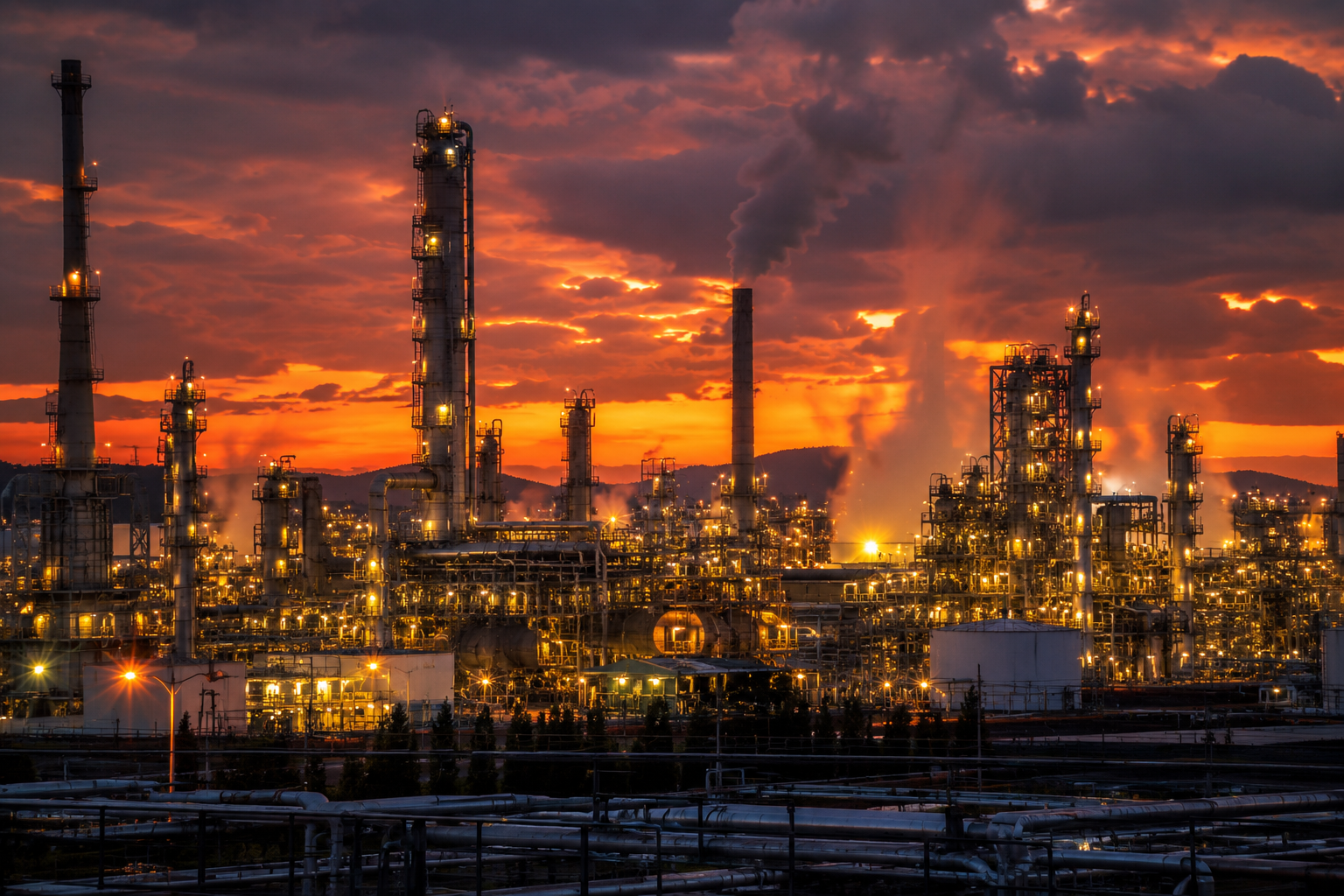
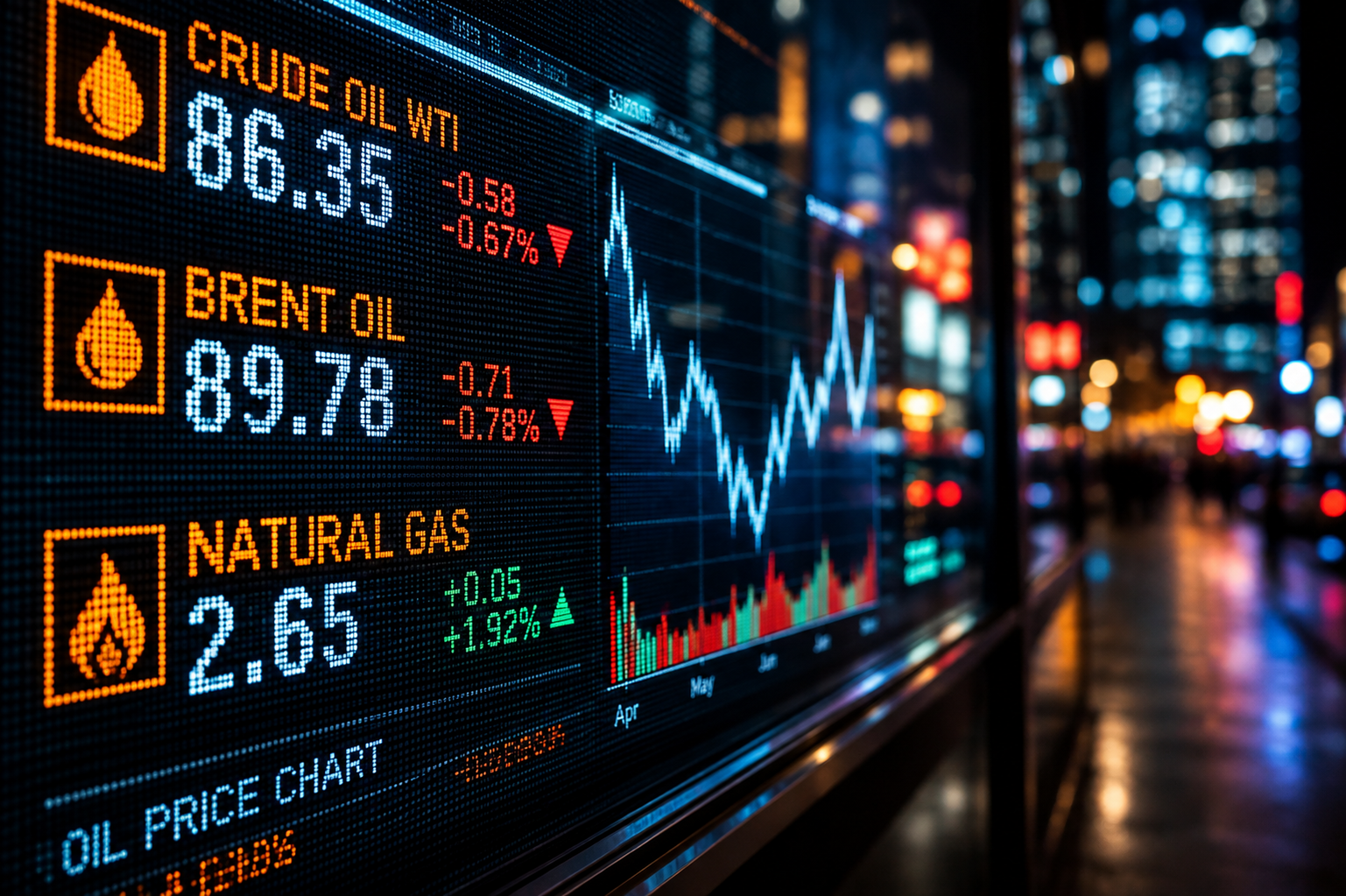
So, here’s the reality. Brent crude just smashed through the $93 mark and it’s not some random fluke. If you’ve been watching the screens lately, you know it’s a total mess out there. We’re seeing a mix of nasty geopolitical fights and supply chains that are squeezed tighter than a drum. It’s a heavy hit for everyone. Whether you’re trying to run a business or just trying to fill up your tank, the movement of Global Oil is hitting your pocketbook right now.
I’ve been tracking these trends for years, and 2024 is shaping up to be one of the most volatile periods I’ve ever seen. We’re looking at a situation where energy demand is shifting fast, but the people who pull the oil out of the ground aren’t keeping up. That $93 price tag isn’t just a number; it’s a warning. It’s telling us that the worldwide economy is in for a bumpy ride as transport costs start to skyrocket everywhere.
Understanding Global Oil
When we talk about Global Oil, we’re talking about a massive, high-stakes game played across the whole planet. It’s where the crude gets traded using big names like Brent or West Texas Intermediate. Right now, as we push into 2025, the market is swinging like a pendulum. It’s not just about how much oil is in the ground; it’s about who’s allowed to sell it. OPEC+ is basically holding the steering wheel, and they’ve decided to keep the quotas tight to keep the prices high.
But it’s not just the supply side that’s acting up. We’ve got to look at what’s happening in China and the West. Industrial output is shifting, and everyone’s hungry for fuel. When you have production cuts happening at the same time as a war or a pipeline break, you get exactly what we’re seeing today. That $93 Brent price is a direct result of restricted pipelines and a massive, unyielding demand for shipping fuel across every major ocean lane. It’s a lot to handle.
Why Global Oil Matters
The price of Global Oil is basically the heartbeat of the entire economy. If it’s high, everyone feels the pain. Since oil is the base for everything from the plastic in your phone to the fuel in a cargo ship, a price hike ripples through every single thing you buy. We believe this is the biggest driver of the inflation people are complaining about at the grocery store. High oil means high costs for making stuff and high costs for moving stuff.
It also forces the hand of central banks. When oil stays at $93, they start looking at interest rates again because they’re scared of the “I” word—inflation. For countries that don’t have their own oil, this surge is a disaster for their trade balance. They’re spending way more than they’re bringing in. On the flip side, if you’re a country sitting on a sea of crude, you’re suddenly swimming in cash. You can use that for new bridges or even green energy projects, but for the rest of us, it’s just more expensive.
Top Strategies for Global Oil
If you’re trying to survive this market, you can’t just throw darts at a board. You need a plan. First, stop looking at just one price. We think you’ve got to diversify. Look at energy stocks or the companies that own the pipelines—the midstream guys. They often handle the volatility better than the ones just drilling the holes. Second, you’ve got to watch those OPEC+ meetings like a hawk. What they say on a Sunday afternoon can change your Monday morning faster than anything else.
And here’s the thing about the US Dollar. Since oil is priced in greenbacks, when the dollar gets strong, oil usually gets hit. You’ve got to watch that relationship. We also tell people to use hedging. If you’re a business owner, use futures to lock in a price so a jump to $100 doesn’t bankrupt you. Also, check the EIA reports every week. They tell you exactly how much oil is sitting in tanks. If those levels go down, prices go up. It’s simple math.
Common Mistakes with Global Oil
The biggest mistake I see? People listen to one talking head on the news and think they know it all. Global Oil is way too complex for that. You’re dealing with local politics in the Middle East and big-picture economics in DC all at once. If you only look at one side, you’re going to get burned. Another huge error is forgetting about the seasons. People always act shocked when prices jump in the summer driving season or when the winter cold hits. It happens every year.
Plus, there’s a big lag time that people ignore. Just because a country says they’re going to pump more oil doesn’t mean it shows up at the refinery the next day. It takes weeks. And please, stop emotional trading. When a crisis breaks out, the first thing people do is panic buy at the very top of the market. Don’t be that person. You need a framework that’s based on hard data, not just the scary headlines you see on your social media feed.
Advanced Tips for Global Oil
For the folks who really want to get their hands dirty, you’ve got to look at the crack spread. That’s just a fancy way of saying the difference between the price of the raw crude and the stuff they turn it into, like gasoline or jet fuel. If the refineries are making a killing, they’re going to want more crude, which keeps the price high. It’s a great leading indicator that most people completely miss.
Another pro move is tracking the “dark fleet.” These are tankers that turn off their GPS to move oil that might be under sanctions. If you can get a lead on how much of that is actually moving, you’ve got a better picture of the real supply than the official government numbers. Also, keep an eye on green hydrogen. It’s a long-term play, but it’s already starting to change how big oil companies spend their money. Finally, check if the market is in backwardation. If the price today is higher than the price for delivery in six months, the market is screaming that there’s a shortage right now.
Buying Guide: Choosing the Best Global Oil
When you’re looking to pick the right assets or even just get the right fuel for a fleet, the grade matters. Not all oil is the same. Brent is “light and sweet,” which means it’s easier to turn into gasoline. That’s why it’s the king. Heavy, sour stuff is cheaper but it’s a pain to refine. We’ve found that sticking with the high-quality benchmarks is usually the safer bet when the market is this the.
You also have to weigh the risk of where the oil is coming from. If a region is always one step away from a coup or a war, that oil might be cheap today but gone tomorrow. We prefer assets from stable spots, even if they cost a bit more. Logistical stuff matters too. Is there a pipeline? Is there a port nearby? If you can’t move the oil, it’s worthless. Lastly, don’t ignore the ESG scores. I know some people roll their eyes at them, but big investors are dumping companies with bad environmental records. If you want a long-term winner, you’ve got to play by the new rules.

Where we go from here
The climb to $93 is a big wake-up call. We’re in a world where the energy balance is incredibly thin. Between the wars and the tight control from OPEC+, Global Oil is going to stay messy for a while. You can’t just ignore it and hope for the best. You’ve got to stay informed and stay flexible.
By actually getting into the weeds and understanding why these prices are moving, you can protect yourself. Whether that’s changing your investment strategy or just bracing for higher costs, being prepared is the only way to survive this. It’s a wild market, but if you have the right data, you can navigate it.
FAQ
What causes Global Oil prices to rise?
It’s usually a mix of two things. Either the supply gets cut by groups like OPEC+ or a war breaks out, or the demand goes up because everyone is flying and driving more. Right now, it’s both.
How does a $93 Brent price affect consumers?
It hits you everywhere. It makes gas more expensive and pushes up the price of everything delivered by a truck. It’s basically a tax on everything you do.
Is the current oil surge temporary?
Probably not. We’re seeing deep issues with how much oil is being produced. Unless there’s a massive global slowdown, those prices are likely to stay high for the near future.
What is the difference between Brent and WTI?
Brent comes from the North Sea and sets the price for most of the world. WTI is the American standard. They usually move together, but Brent is usually a bit more expensive.
How do interest rates impact oil?
When rates go up, the dollar usually gets stronger. Since oil is traded in dollars, it makes it more expensive for other countries to buy, which can eventually slow down the demand.

