

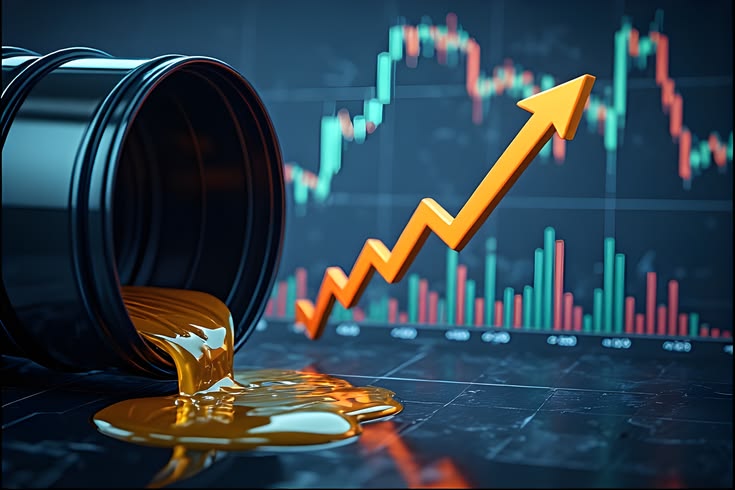
Look, we’ve got to talk about what’s happening right now because the numbers on the screen aren’t just digits; they’re a direct hit to your wallet. Global Oil Prices are jumping around like the, and if you think it’s just about some distant war, you’re missing half the story. It’s a mess of supply lines, political ego, and a dollar that won’t sit still.
Right now, we’re seeing a massive push upward because the spots where we get the most oil are basically on fire, metaphorically speaking. Tensions in the Middle East and Eastern Europe aren’t just news headlines; they’re roadblocks for tankers. When OPEC+ decided to keep their production cuts going all the way into 2025, they basically told the world that cheap energy isn’t coming back anytime soon. We’re stuck in this tight spot where supply is thin and every little hiccup in the news sends the market into a tailspin. It’s stressful. Really.
Understanding Global Oil Prices
When I look at the data, I see two big names: Brent and WTI. Think of these as the gold standards for the oil world. Brent is what the rest of the world uses, while WTI is the heart of the US market. These numbers don’t just happen; they’re the result of a constant fight between how much oil we can pull out of the ground and how much the world actually needs to keep the lights on. It’s a balancing act that’s failing right now.
And here’s the kicker that most people miss: the US dollar is the secret boss here. Since oil is priced in dollars, when the dollar gets strong, everyone else has to pay way more, even if the price per barrel stays the same. We’re watching inventory reports from the EIA like hawks because those numbers tell us if we’re running low. If the Red Sea gets blocked or a refinery in Texas goes down, Global Oil Prices react instantly. It’s not just math; it’s a global game of chicken.
Why Global Oil Prices Matters
Why should you care? Because energy is the “everything” tax. When Global Oil Prices go up, it doesn’t just cost more to fill your tank; it costs more for the truck to bring milk to the grocery store and more for the plane to fly your packages. We’re seeing inflation stay high because energy costs won’t stay down. It’s a domino effect that hits every single person, from the CEO to the guy working the register.
I believe we’re in a cycle where stable costs are a pipe dream for 2024 and 2025. Businesses are struggling to keep their margins because they can’t predict what they’ll be paying for shipping next month. If we want a “soft landing” for the economy, we need these prices to stop swinging so wildly. But with the way things are going, it’s a big ask. Monitoring these shifts isn’t just for Wall Street types; it’s survival for anyone trying to run a budget.
Top Strategies for Global Oil Prices
If you’re running a business, you can’t just sit there and take it. I’d suggest looking into fuel hedging immediately. It’s basically a way to lock in your costs now so you don’t get destroyed if prices hit $100 a barrel next week. It’s about playing defense. If you’re not planning for the worst-case scenario with your energy costs, you’re leaving your front door wide open for a financial disaster.
Another big move is to stop relying so much on the old ways. I’m seeing smart companies integrate more renewables and use data to find better shipping routes. If you can cut your fuel use by even 5% through better logistics, that’s money back in your pocket. Also, keep your pricing flexible. If the market shifts, you’ve got to be able to move with it or you’ll get left behind. Look at the news every day, not just the financial sections. Geopolitics is the new market indicator.
Common Mistakes with Global Oil Prices
The biggest mistake I see? Panic. People see a spike in Global Oil Prices and they start buying up everything at the highest possible point. Then, the market corrects, and they’re left holding a very expensive bag. It’s a classic trap. You’ve got to stay level-headed and look at the long-term trends rather than reacting to a single tweet or a one-day jump.
Don’t ignore the currency side of things either. If you’re only looking at the price of a barrel and not what the US dollar is doing, you’re only getting half the picture. A strong dollar can be a hidden tax that breaks your budget. Also, stop thinking that demand is the same all year. We know people drive more in the summer and heat their homes in the winter. If you aren’t planning for these cycles, you’re going to get caught off guard. It’s predictable. Mostly.
Advanced Tips for Global Oil Prices
If you want to play with the big dogs, you’ve got to look at the “crack spread.” This isn’t as weird as it sounds; it’s just the difference between the price of raw crude and the stuff they actually make out of it, like gasoline and jet fuel. If the spread is high, refineries are making bank, and that usually means prices for you aren’t going down anytime soon. It’s a great way to see what’s coming before it hits the headlines.
I also keep an eye on satellite data. Yeah, seriously. We can see where tankers are bunching up and how much oil is just sitting in floating storage. It gives you a real-world look at supply that the official reports might miss. And don’t forget the Fed. Interest rate decisions change how much people spend, which changes how much oil we need. If the Fed cuts rates, expect demand—and prices—to potentially climb as the economy heats back up.
Buying Guide: Choosing the Best Global Oil Prices
You can’t exactly “buy” a price, but you can choose how you track it. Brent is your go-to if you’re looking at the big picture, especially stuff happening in Europe or Africa. If you’re focused on what’s happening here at home in the US, WTI is your best friend. It’s more sensitive to what’s happening in places like the Permian Basin or the storage hubs in Cushing, Oklahoma. You’ve got to know which one matters for your specific needs.
For most of us, the best way to handle Global Oil Prices is to find energy providers that offer fixed-rate contracts. It takes the guesswork out of the equation. Look for platforms that give you real-time data without charging you a fortune in fees. You want transparency and security. If a provider or a trading platform feels sketchy, stay away. Stick to the regulated exchanges so you know your money is safe while you’re trying to hedge against the next big market swing.
My Take on the Future
The way I see it, the volatility we’re feeling isn’t a glitch; it’s the new normal. We’re heading into 2026 with a lot of baggage, and Global Oil Prices will keep reflecting that chaos. The only way to win is to stay informed and stay fast. Don’t let your emotions drive your financial decisions when the news gets loud.
We’ve seen these cycles before, but the current mix of war and tight supply makes this one feel different. By using the strategies I’ve talked about, you can at least protect yourself from the worst of it. Keep your eyes on the data, watch the dollar, and don’t get distracted by the hype. It’s a long game.
FAQ
What causes oil price spikes?
It’s usually a mix of things. Geopolitical blowups in places like the Middle East are the big ones. But sudden production cuts by OPEC+ or a random hurricane hitting the Gulf Coast can send things through the roof too.
How does OPEC+ affect the market?
They’re like the world’s oil thermostat. By turning the supply up or down, they can control how much we pay. Right now, they’ve got the heat turned way down to keep prices high.
Is oil a good investment in 2025?
It’s risky. It’s a volatile asset, for sure. If you’ve got a high tolerance for swings and you think the world will stay thirsty for fuel, it’s an option, but the shift to green energy is always lurking in the background.
How does a strong dollar impact oil?
Since oil is sold in dollars globally, a strong dollar makes it more expensive for everyone else. It’s like an automatic price hike for countries using the Euro or Yen, which eventually drags down global demand.
What is the difference between Brent and WTI?
Brent comes from the North Sea and sets the price for most of the world. WTI is American oil, mostly from Texas, and it’s the benchmark for what we deal with in North America. They usually move together, but they aren’t the same.

