


Gold prices are facing renewed pressure as the precious metal falls toward the $4,300 per ounce level. Investors are increasingly concerned about a possible Federal Reserve interest-rate hike, while rising oil prices, a stronger U.S. dollar, and higher Treasury yields are creating additional headwinds for bullion.
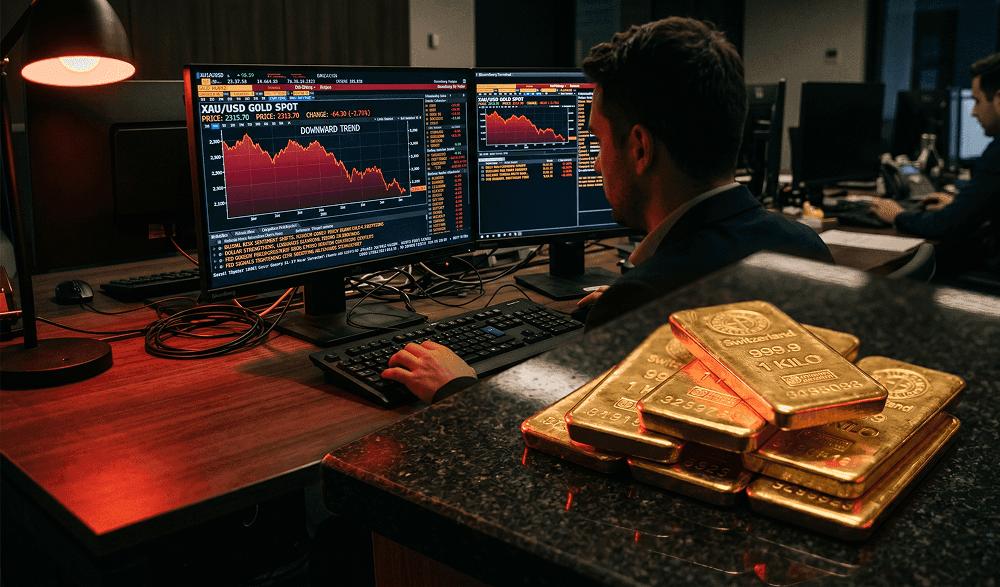
Spot gold fell to around $4,312.59 per ounce on Monday, reaching its lowest level in more than a month. U.S. gold futures also declined, while markets increased their expectations for a Federal Reserve rate hike at the upcoming policy meeting.
Gold Falls as Fed Rate Hike Expectations Rise
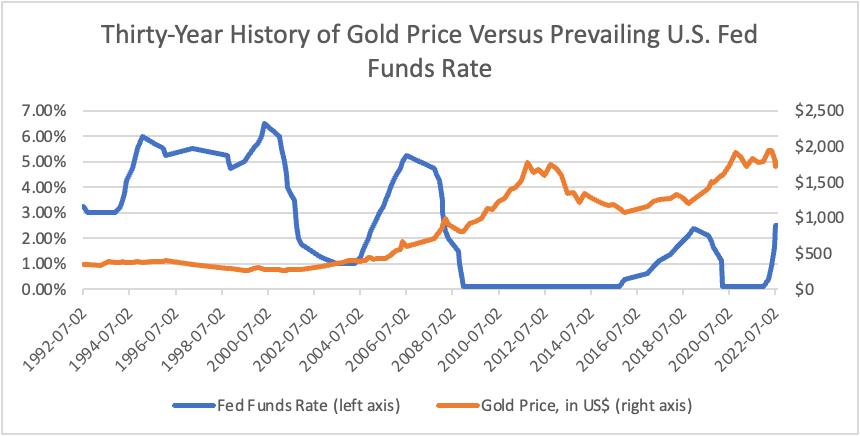
One of the biggest factors affecting gold today is the growing possibility of tighter U.S. monetary policy. Gold does not generate interest, so higher interest rates can make yield-generating assets such as government bonds more attractive compared with holding bullion.
Markets are now watching the Federal Reserve’s policy meeting closely. According to Reuters, traders were pricing in a 93% probability of a Fed rate hike, following stronger-than-expected U.S. inflation data. This has contributed to higher Treasury yields and increased pressure on gold.
U.S. Inflation Adds Pressure to Gold
Recent U.S. inflation data has changed expectations about the direction of monetary policy. Consumer prices increased 0.4% in August, accelerating from a 0.1% increase in July. The stronger inflation reading has made investors more concerned that price pressures remain persistent.
Higher inflation can create a difficult environment for gold when it causes central banks to maintain or increase interest rates. Investors are therefore paying close attention to upcoming economic data and Federal Reserve comments to determine whether the current gold correction could continue.
Rising Oil Prices Increase Inflation Concerns
Another important factor is the sharp increase in global oil prices. Brent crude has moved above $108 per barrel as geopolitical tensions and supply disruptions in the Middle East raise concerns about energy availability. Higher oil prices can increase transportation and production costs, potentially adding to inflation.
This creates a complicated situation for gold. Geopolitical tensions normally support gold because investors often seek safe-haven assets during periods of uncertainty. However, if those tensions simultaneously push oil prices higher and increase expectations for interest-rate hikes, the resulting stronger dollar and higher yields can outweigh safe-haven demand.
Stronger U.S. Dollar Weighs on Gold
The U.S. dollar has also become an important source of pressure for gold. Because gold is priced in dollars, a stronger U.S. currency generally makes bullion more expensive for investors using other currencies, potentially reducing demand.
Recent market movements show that investors have increasingly favored the dollar as a defensive asset. Gold has therefore struggled to benefit fully from geopolitical uncertainty, despite its traditional role as a safe haven. Market analysts have noted that the dollar’s recent strength has contributed to the decline in gold prices.
Is $4,300 the Next Key Support?
The $4,300 level is now an important technical area for gold traders. The metal has already moved close to this level after falling from above $4,400, making the area a potential support zone. A successful rebound from $4,300 could signal that buyers are beginning to return to the market.
However, a decisive break below $4,300 could increase the risk of a deeper correction. Some market analysts have identified $4,300 as an important technical level, with a sustained break potentially exposing gold to lower support areas.
What Could Happen After the Fed Decision?
The Federal Reserve’s upcoming decision will likely be the most important short-term catalyst for gold. Investors will pay close attention not only to the rate decision but also to the Fed’s economic projections and guidance regarding future monetary policy.
A hawkish Fed could push Treasury yields and the U.S. dollar higher, creating additional pressure on gold. Conversely, if policymakers signal that future rate increases will be limited or highly dependent on incoming economic data, gold could find room for a short-term recovery.
Gold Price Outlook
The short-term outlook for gold remains challenging as several factors are working against the precious metal. Higher oil prices, persistent inflation, stronger Treasury yields, and increased expectations of a Fed rate hike could keep selling pressure elevated in the near term.
Nevertheless, gold still has important long-term support from central-bank demand, portfolio diversification, and ongoing geopolitical uncertainty. If interest-rate expectations eventually stabilize and the dollar weakens, gold could regain upward momentum.
Conclusion
Gold prices are approaching the $4,300 per ounce level as investors prepare for a potentially more hawkish Federal Reserve. Stronger U.S. inflation, rising oil prices, higher Treasury yields, and a firmer dollar have combined to push bullion to its lowest level in more than a month.
For traders and investors, $4,300 is now a key level to watch. A rebound could indicate that buyers are defending the area, while a break below it could signal further downside. The Federal Reserve’s upcoming decision and its guidance on future interest rates will likely determine whether gold continues its correction or begins a new recovery.

