

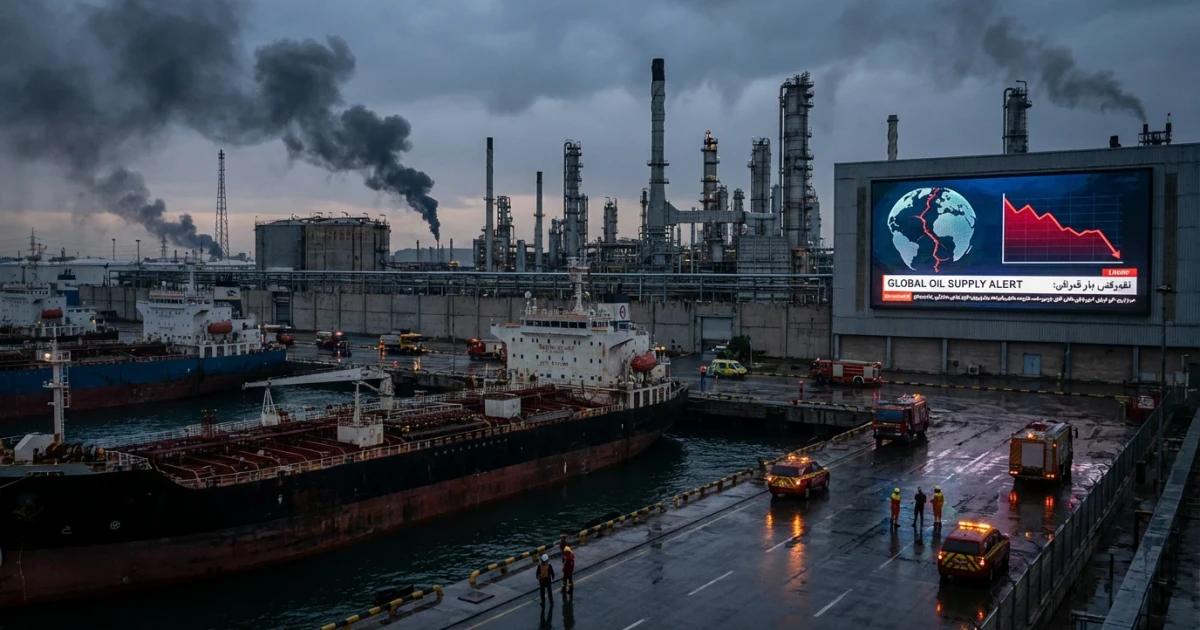
Global oil prices are surging as rising geopolitical tensions increase concerns about disruptions to crude oil supplies. Brent crude has climbed above $108 per barrel, while U.S. West Texas Intermediate (WTI) has moved above $103. The sharp rally has pushed oil prices to their highest levels since May and raised fresh concerns about inflation and global economic growth.
The latest increase comes as tensions in the Middle East threaten important energy shipping routes, particularly around the Strait of Hormuz and the Red Sea. Investors are now closely watching whether supply disruptions will continue and how high oil prices could rise.

Brent Crude Surges Above $108
Brent crude recently reached around $108.68 per barrel, while WTI climbed to approximately $103.45 per barrel. Both benchmarks have moved above the $100 level for the first time in nearly four months.
Oil prices have gained more than 13% over the week, marking one of their strongest weekly increases in recent months. The rally has been driven mainly by concerns about supply rather than a sudden increase in global oil demand.
The market is particularly sensitive to developments in the Middle East because the region is home to some of the world’s largest oil producers and several critical shipping routes.
Why Are Global Oil Prices Rising?
The main factor behind the latest oil price surge is growing geopolitical risk.
Tensions involving the United States and Iran have increased concerns about energy infrastructure and oil transportation. At the same time, attacks and instability around the Red Sea and nearby shipping routes have made traders increasingly worried about potential supply disruptions.
The Strait of Hormuz is especially important. A large amount of global oil production passes through this narrow waterway. Any serious disruption could make it more difficult for producers in the Persian Gulf to deliver crude to international markets.
Even without an actual shortage, the possibility of disrupted supply can push oil prices higher because traders begin pricing in additional risk.

Strait of Hormuz and Red Sea in Focus
The Strait of Hormuz remains one of the biggest risks facing the global oil market.
When tensions increase, shipping companies may face higher insurance costs, longer routes, and security concerns. These problems can reduce the amount of oil reaching international markets.
The Red Sea is also important because it provides a major shipping connection between the Middle East, Europe, and Asia.
If disruptions continue in both regions, the global oil market could become significantly tighter.
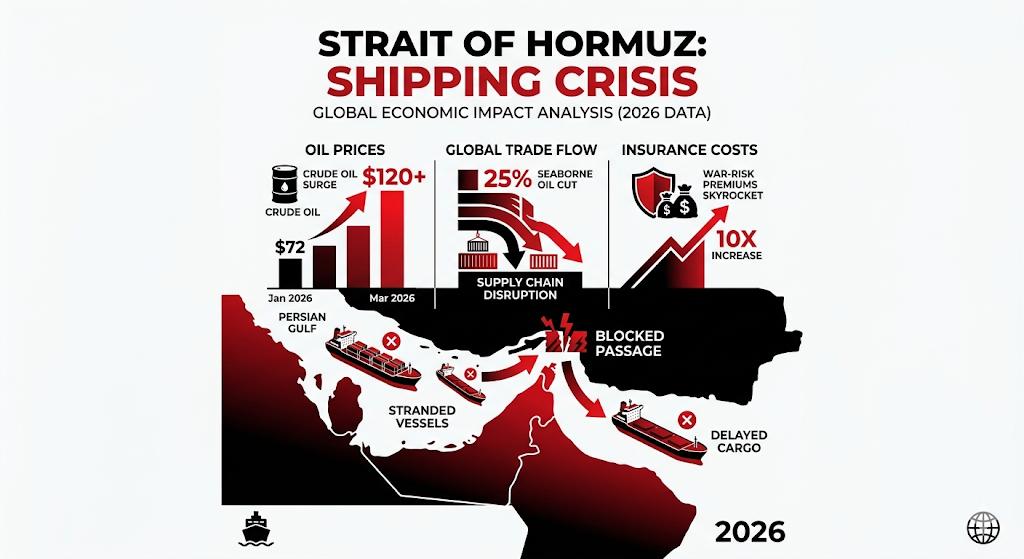
Analysts have warned that Brent could potentially move toward $120 per barrel if supply disruptions remain severe and continue for an extended period.
Higher Oil Prices Could Increase Inflation
The impact of rising oil prices extends far beyond the energy sector.
When crude oil becomes more expensive, transportation, aviation, manufacturing, and logistics companies generally face higher operating costs. Consumers can eventually feel the impact through higher gasoline, diesel, transportation, and product prices.
This creates another challenge for central banks because higher energy prices can increase inflation.
For the Federal Reserve, this could make decisions about interest rates more complicated. If inflation remains high, policymakers may have less flexibility to cut rates even if economic growth begins to slow.
Higher interest rates can also place pressure on financial markets because investors may prefer bonds and other lower-risk assets over riskier investments.
Global Stock Markets Face Pressure
The oil rally has already affected global financial markets.
Higher crude prices can benefit energy companies and oil producers because their revenues may increase. However, expensive energy can hurt many other businesses by increasing production and transportation costs.
Investors may also become more cautious if higher oil prices threaten economic growth.
This means the impact of the current oil rally could spread from energy markets into stocks, currencies, bonds, and consumer prices.
Could Brent Reach $120?
The possibility of Brent reaching $120 per barrel will depend largely on the duration and severity of supply disruptions.
If geopolitical tensions ease and shipping routes return to normal, some of the recent risk premium could disappear quickly. In that situation, oil prices could retreat.
However, a prolonged disruption involving major shipping routes could create a much tighter global market.
Limited spare production capacity would make the situation even more challenging and could push prices significantly higher.
Therefore, $120 is possible, but it is not guaranteed.
What Should Investors Watch?
Several factors will be important for the oil market in the coming days and weeks.
First, developments around the Strait of Hormuz could have an immediate impact on crude prices.
Second, shipping activity around the Red Sea and Bab el-Mandeb will remain important for assessing transportation risks.
Third, U.S. inflation data could influence expectations for Federal Reserve interest-rate policy and global economic growth.
Finally, global oil inventories and production levels will show whether the market has enough supply to absorb potential disruptions.
Global Oil Price Outlook
The outlook for global oil prices has become increasingly uncertain.
Brent is now trading above $108 per barrel, while WTI has moved above $103. The rally is largely driven by geopolitical concerns and fears of supply disruptions.
If tensions continue to escalate, Brent could potentially move toward $120. However, if the geopolitical situation improves, oil prices could lose some of their recent gains.
For now, traders and investors are focused on one key question: How long will global oil supplies remain vulnerable to geopolitical risks?
Conclusion
Global oil prices are entering a critical period. Brent crude has surged above $108 per barrel, while WTI has moved above $103, marking a significant increase from recent levels.
The main concern is the growing risk of disruptions around major oil-producing regions and shipping routes in the Middle East.
Higher oil prices could increase inflation, raise transportation costs, pressure global stock markets, and complicate central bank decisions on interest rates.
If supply disruptions continue, Brent could move toward $120 or higher. But if tensions ease and oil flows return to normal, prices could eventually decline.
For now, the global oil market remains highly sensitive to geopolitical developments, making Brent and WTI two of the most important prices for investors to watch.

