

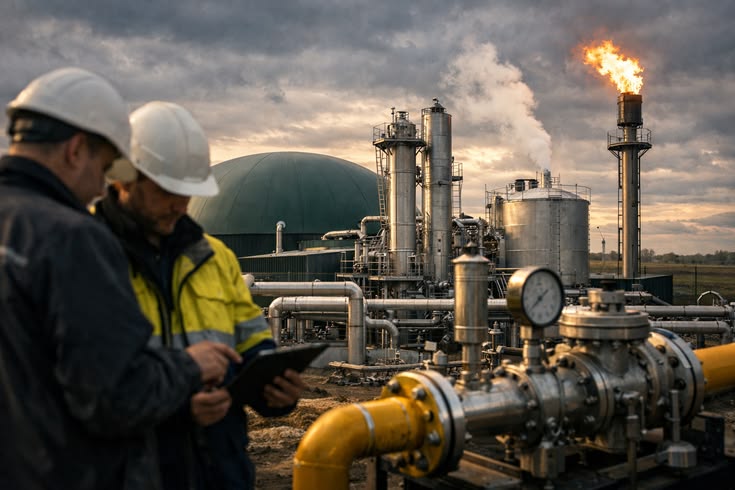
Look, Brent crude is sitting above $95 right now. It’s stay-up-at-night territory for a lot of people. We’re seeing supply risks get worse because of all the friction in the world through 2024 and 2025. Global Oil prices aren’t just numbers on a screen anymore; they’re the main thing everyone in trade is watching. Investors are trying to handle a market that’s jumping around like a live wire. Inventory levels and production quotas are basically running the show. If we don’t get a handle on these moves, cost stability is just a dream. It’s a mess. Truly.
And here’s the thing about the current scene. It isn’t just about expensive gas. It’s about how every part of the economy reacts when the energy tap gets tight. I’ve been watching the charts, and the volatility isn’t going away. You’ve got to watch the numbers daily or you’ll get left behind. We believe the pressure isn’t letting up anytime soon.
Understanding Global Oil
Global Oil isn’t some simple thing you can just guess at. It’s a massive, tangled web of drilling, refining, and big-name benchmarks like Brent and West Texas Intermediate (WTI). By the end of 2024 and moving into 2025, the market flipped. We went from worrying about having too much oil to worrying about having almost none. Why? Because OPEC+ decided to keep a tight grip on how much they pump. Plus, nobody’s spending money on new drilling projects. It’s a supply squeeze that’s hitting everywhere at once.
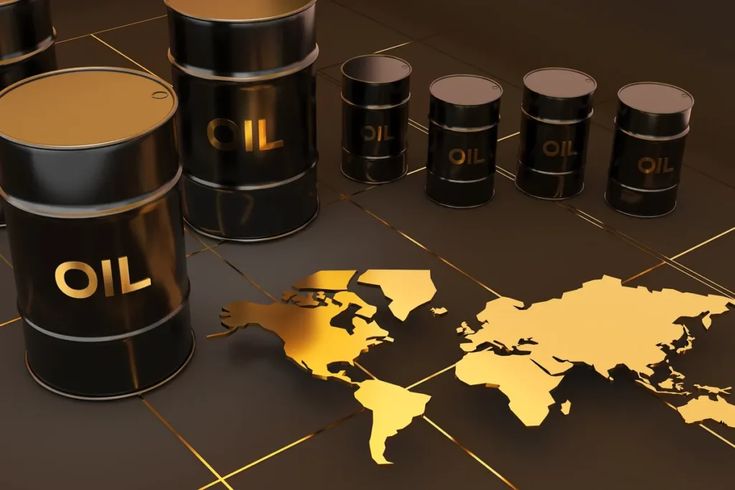
Brent is the big dog here. It tells us how the trade is doing across the Atlantic. Then you’ve got WTI, which is more about what’s happening in North America. These benchmarks set the price for your jet fuel, your plastic, and even your medical supplies. They’re the biggest indicators of whether the world’s industrial engine is humming or stalling. If Brent is high, the world feels it. Fast.
Why Global Oil Matters
The stability of Global Oil is the skeleton of our economy. It’s that simple. When prices stay above $95, the cost of moving stuff goes through the roof. That means the price of your milk, your tech, and your clothes goes up too. In 2025, every country is on edge. They’re trying to grow their economies without letting inflation burn everything down. It’s a hard balance to keep when the fuel for that growth costs a fortune.
I found that most people forget oil is more than just fuel. It’s a “feedstock.” That’s a fancy way of saying it’s the raw stuff used to make everything from bandages to pipes. When prices spike, factories slow down. Airlines start losing money. Shipping fleets cut back. This is why central banks go the with interest rates when oil prices act up. It’s the first domino. When it falls, everything else follows.
Top Strategies for Global Oil
If you’re trying to survive this market, you can’t just wing it. You’ve got to hedge. I’ve seen way too many businesses get crushed because they didn’t lock in prices using futures or options. It’s like driving without insurance. Also, don’t just stick to one type of crude. Mix it up. Use a blend of Brent-indexed and WTI-indexed oil to protect yourself if one region has a meltdown. It’s about not having all your eggs in one basket.
Another thing we recommend is looking at tech. Fuel-efficient machines and even shifting some power to other sources can take the sting out of a price jump. And keep your eyes on the data. I’m talking about real-time tanker tracking and when refineries are shutting down for cleaning. If you know a refinery is going offline before the rest of the market does, you’ve got a massive head start. Information is the only way to stay ahead of the outages.
Common Mistakes with Global Oil
The biggest mistake? Putting all your trust in one spot on the map. If that country has a political blow-up, you’re done. I’ve seen it happen. Another huge error is forgetting about the US Dollar. Since Global Oil is priced in dollars, if the dollar gets stronger, the oil costs even more for people in Europe or Asia. It’s a double whammy. You’re paying more for the oil and more for the currency.
Don’t ignore the “crack spread” either. That’s just the gap between what crude costs and what the finished stuff (like gasoline) sells for. If you don’t track that, your profit guesses will be totally wrong. And look, the move away from carbon is real. If you’re only looking at old price charts and ignoring the shift to cleaner energy, you’re going to end up holding assets that nobody wants. 2025 isn’t 2005. The rules have changed.
Advanced Tips for Global Oil
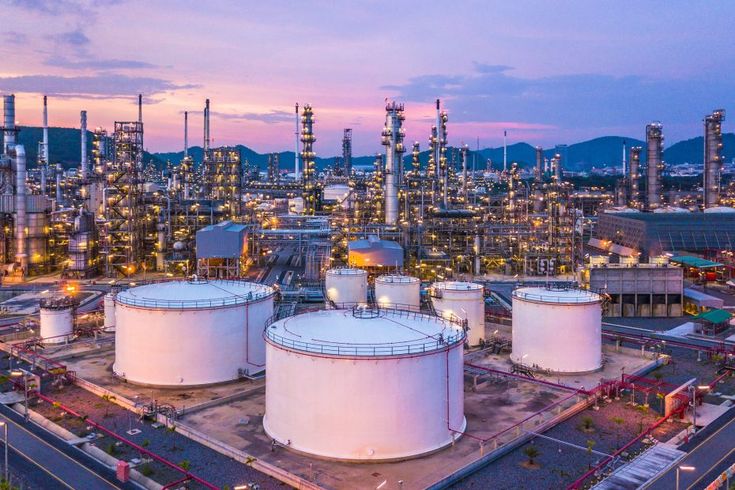
Want a real edge? Start looking at the sky. We’re talking about satellite imagery to see how full the world’s storage tanks actually are. AI can crunch those images and find shifts in supply before they ever hit the news. It’s the closest thing to a crystal ball we’ve got. You should also watch the “contango” and “backwardation” in the market. Those are just terms for whether people think oil will be cheaper or pricier in the future. It tells you exactly how worried the big traders are.
Also, watch the Strategic Petroleum Reserve (SPR). When big countries like the US start emptying their emergency tanks to lower prices, it’s a temporary fix. When they have to refill those tanks? Prices go up. It’s a cycle. You also need to know the “API gravity” and sulfur levels of the oil you’re buying. Not all oil is the same. If you buy the wrong gunk for your refinery, you’re going to have a very expensive bad day.
Buying Guide: Choosing the Best Global Oil
Picking the right grade of crude is all about what your refinery can actually handle. If you’re near the Atlantic and your gear likes “sweet” (low sulfur) oil, Brent is your best bet. It’s easy to move by ship. But if you’re in the US, WTI might be cheaper, even if the pipes to get it to you are a headache. You’ve got to look at the “yield.” How much actual gas or diesel are you getting out of that barrel? If it’s mostly low-value sludge, it’s not a deal.
In 2025, you also have to care about the “carbon intensity.” Some oil is just “dirtier” to get out of the ground than others. Buyers are starting to care about this for their ESG scores. It’s not just about the price anymore; it’s about the reputation. Check your supplier’s history too. If they have a habit of being late or if their country is about to have a revolution, move on. Consistent, high-quality oil keeps your refinery running smooth and your repair bills low.
Final Thoughts
With Brent stuck above $95, the whole energy world is on a knife’s edge. Supply gaps and political fights are going to keep things messy through 2025 and 2026. But if you keep your eyes on Global Oil trends and don’t get lazy with your hedging, you can make it through. It’s a volatile world. Don’t let it catch you sleeping.
Common Questions
1. Why is Brent crude over $95 right now?
It’s a perfect storm. You’ve got OPEC+ cutting back how much they pump, and you’ve got fights breaking out in areas where the oil comes from. People are worried there won’t be enough to go around in 2025.
2. How does Global Oil change what I pay at the store?
When oil goes up, it costs more to run the trucks that bring food to the store. It also makes plastic more expensive. So, your groceries and your gadgets all get a price hike.
3. What’s the real difference between Brent and WTI?
Brent comes from the sea (North Sea), so it’s easy to put on a boat and send anywhere. WTI is US-based and mostly moves through pipes. Usually, Brent costs more because it’s easier to trade globally.
4. Can green energy actually help lower oil prices?
In the long run, yes. If we use more wind or solar, we don’t need as much oil. Less demand usually means lower prices, or at least it stops the spikes from being so painful.
5. What should we worry about for oil in 2026?
The big risks are more wars in the Middle East and the fact that we haven’t built enough new oil infrastructure. If demand stays high and we can’t pump more, prices are going to stay ugly.

