


Gold prices are holding near the $4,370 per ounce level today as investors assess the impact of the Federal Reserve’s latest interest-rate decision and renewed inflation concerns. Spot gold was recently trading around $4,368–$4,380 per ounce in early Asian trading on September 21, showing relatively limited movement after last week’s volatility.
The precious metal has remained resilient despite the Federal Reserve raising interest rates by 25 basis points last week. The move brought the federal funds target range to 3.75%–4.00% and marked the Fed’s first rate hike since 2023. Investors are now looking for clues about whether additional increases could follow.
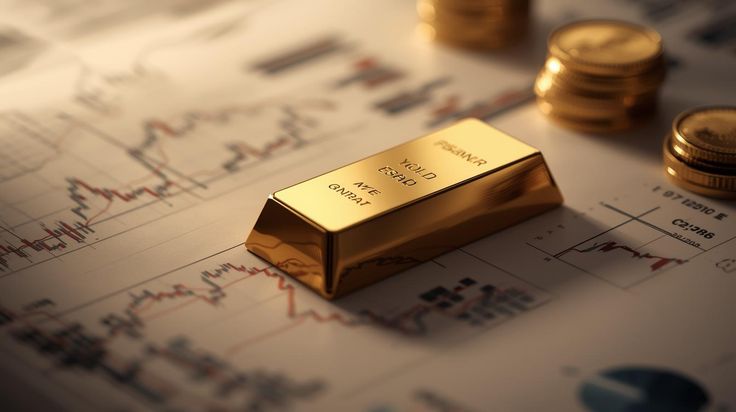
Gold Holds Near $4,370
Spot gold slipped about 0.2% to $4,368.33 per ounce early Monday, according to Reuters, while other market data showed prices around $4,375–$4,380. The relatively narrow range suggests that traders are reassessing the market after gold experienced sharp movements around the Fed decision.
Gold had rebounded strongly after its initial reaction to the Fed rate hike. Market analysis from XTB noted that gold recovered more than 1.3% after the initial decline, partly because the rate increase had already been anticipated by financial markets.
Why Did the Fed Rate Hike Affect Gold?
Higher interest rates generally create pressure on gold because the precious metal does not pay interest. When yields on bonds and other interest-bearing assets rise, the opportunity cost of holding gold can increase, potentially reducing demand for the non-yielding asset.
The latest Fed decision initially strengthened the U.S. dollar and pushed yields higher, contributing to weakness in gold. However, the reaction was not one-directional. After the initial decline, gold recovered as investors reassessed the Fed outlook and broader economic and geopolitical risks.
Inflation Remains a Major Concern
Inflation is still one of the most important factors influencing gold prices. Federal Reserve officials have continued to emphasize that inflation remains above the central bank’s 2% objective. Minneapolis Fed President Neel Kashkari said over the weekend that inflation pressures have broadened across the U.S. economy rather than being driven only by energy prices.
Persistent inflation creates a complicated environment for gold. On one hand, concerns about inflation can support demand for precious metals as a store of value. On the other hand, if inflation causes central banks to maintain or increase interest rates, higher yields and a stronger dollar can weigh on gold.
Geopolitical Risks Support Gold
Geopolitical tensions remain another factor keeping gold on investors’ radar. Escalating tensions in the Middle East have contributed to concerns about oil supplies and inflation, while uncertainty surrounding the conflict has also increased demand for traditional safe-haven assets.
However, higher oil prices can have a mixed impact on gold. Rising energy costs may increase inflation expectations and strengthen the case for tighter monetary policy, potentially creating pressure on gold. This means traders are closely watching both geopolitical developments and their impact on central-bank policy.
Can Gold Hold Above $4,300?
The $4,300 area remains an important reference point after gold recovered significantly from the lows seen following the Fed announcement. Gold dropped sharply immediately after the rate decision before recovering above $4,300, demonstrating how quickly market sentiment can change.
As long as gold remains comfortably above that area, attention can remain focused on whether prices can stabilize around $4,350–$4,400. These levels should be viewed as market reference points rather than guaranteed support or resistance levels, particularly while monetary policy expectations remain fluid.
What Could Move Gold Prices Next?
The Federal Reserve will remain a major driver of gold prices this week. Several Fed officials are scheduled to speak publicly, giving investors additional opportunities to assess policymakers’ views on inflation and the possibility of further rate increases.
Markets will also monitor the U.S. dollar, Treasury yields, inflation expectations and geopolitical developments. Any significant change in these factors could increase volatility in gold, particularly because prices are already trading at historically elevated levels.
Gold Price Outlook Today
Gold enters September 21 near $4,370 after recovering from its post-Fed decline. The market is currently balancing two opposing forces: higher interest rates and inflation concerns on one side, and geopolitical uncertainty and safe-haven demand on the other.
For traders and investors, the $4,300–$4,400 region is likely to remain an important area to monitor in the short term. A sustained move above or below this range could provide additional information about market sentiment, although future price movements will depend heavily on economic data and further Fed guidance.
Conclusion
Gold prices are holding near $4,370 per ounce despite the Federal Reserve’s latest rate hike. The precious metal has shown resilience after initially falling following the policy announcement, suggesting that investors continue to weigh inflation, geopolitical risks and safe-haven demand alongside higher interest rates.
The outlook remains closely tied to Federal Reserve policy, Treasury yields and the U.S. dollar. With Fed officials scheduled to provide further comments this week, gold could remain volatile as markets assess whether the recent rate hike will be followed by additional tightening. For now, the $4,300–$4,400 area provides an important range for monitoring the next move in gold prices.

