

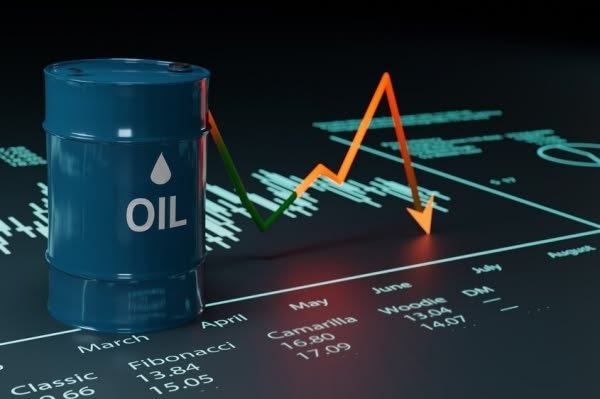
I’ve spent a lot of time looking at the numbers, and I’ll tell you straight: nothing moves the needle like Global Oil. It’s the engine behind almost everything we buy. It’s the reason your grocery bill jumped last month and why your flight across the country cost a fortune. When we look at the 2024-2025 stretch, it’s clear that every tiny tremor in a pipeline sends a massive shockwave through the whole system. Really.
We’re seeing a world where energy isn’t just a commodity; it’s a weapon and a shield at the same time. If you think the economy is just about tech stocks or interest rates, you’re missing the big picture. Everything starts with a barrel of crude. Without it, the gears stop turning. It’s that simple.
What is Global Oil?
Look, it’s not just some black goo sitting in a tank. Global Oil is a massive, tangled web of trade that keeps the modern world from falling apart. You’ve got Brent Crude and West Texas Intermediate (WTI) constantly fighting for the top spot on the charts. Right now, it’s a total tug-of-war. We’ve got OPEC+ trying to keep their grip on supply while the US pumps out more barrels than ever before. It’s a messy balance, but it’s what keeps the lights on.
As we head into 2025, this market is basically the lifeblood of trade. It’s what powers the massive ships bringing your tech from overseas and the trucks moving food to your local store. It’s a liquid asset that moves fast. When you think about the massive tankers sitting out in the middle of the ocean waiting for the price to tick up by fifty cents just so they can make a killing, it’s wild. Money talks.
Economic Benefits of Global Oil
We can’t pretend we don’t need this stuff. Global Oil has a massive energy density that we just haven’t matched yet with anything else. Think about a container ship or a long-haul jet. You can’t run those on a bunch of AA batteries. Not yet. It’s the most efficient fuel we’ve got for the heavy lifting that keeps the global supply chain from snapping. It’s the heavy hitter.
Then there’s the money side of things. For the countries that sell it, this is the bank. It pays for their roads, their schools, and their entire way of life. But it’s not just about fuel. Look at your phone, your shoes, or your medicine. They all start with petrochemicals. Without these oil derivatives, we’d be living in a much harder, much simpler time. Even as we try to go green, we still need this industry to stay stable so the world doesn’t go broke.
Key Features of Global Oil
The big thing here is how jumpy the market is. Global Oil is sensitive to everything from a tweet to a drone strike. Because most of the reserves are packed into places like the Middle East, Russia, and the Americas, any regional fight turns into a global price hike. It’s a volatile game. One day the supply is fine, and the next, a shipping lane gets blocked and everyone panics.
We’re also seeing a shift in how these companies act. They’re starting to use carbon capture because they have to meet new standards. It’s a mix of a PR move and a real tech shift. On top of that, digital trading is now the standard. Data hits the screens in milliseconds, and traders react to news before it even finishes happening. It’s fast, it’s loud, and it’s always changing.
Conclusion
We aren’t quitting the habit overnight. The shift toward better energy is happening, but it’s a slow burn. If you want to know where the economy is headed in 2025, just watch the barrels. Global Oil is still the boss of the financial world, and ignoring it is a huge mistake for any investor. It’s the best way to see the next inflation spike before it hits your wallet.
Don’t expect things to get boring anytime soon. The fight between old energy and new tech is only getting started. But for now, crude is still king. It’s the one thing that connects a farm in the Midwest to a factory in China. We’re all stuck in this loop together.
FAQ
What factors affect prices today?
In 2024 and 2025, it’s all about OPEC+ quotas and the fights breaking out in energy-rich spots. Plus, we’ve got huge demand coming from China and India that keeps the pressure on.
How does oil impact inflation?
It’s a domino effect. When oil goes up, it costs more to move stuff. Companies don’t just eat those costs; they pass them to you. That’s how you get higher prices for literally everything.

