

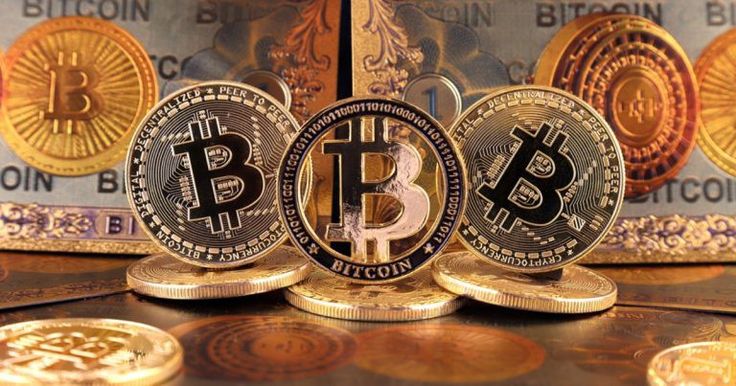
And here’s the thing—we’re watching history happen in real-time. Just when the skeptics thought the party was over, Bitcoin started clawing its way toward that massive $80,000 milestone. It’s not just luck, and it’s certainly not some fluke of the charts. We’re seeing a perfect storm where big-money institutions are finally jumping in through those Spot ETFs, while the supply of new coins has slowed to a crawl after the last halving.
Look, the market’s feeling different this time around. There’s a sense of clarity we didn’t have a few years ago. Regulation is starting to take shape, and liquidity is actually flowing back into the space. I’ve noticed that people aren’t just “gambling” on this anymore; they’re treating it like a legitimate piece of a modern portfolio. We believe this push toward $80k is just the start of a much bigger shift in how the world views money.
Understanding Bitcoin
So, what’s the deal with this stuff anyway? At its heart, Bitcoin is just a way to move value from one person to another without asking a bank for permission. Satoshi Nakamoto dropped this idea back in 2009, and it’s basically a shared ledger that everyone can see but nobody can fake. Miners use massive amounts of computing power to lock in transactions using proof-of-work, which makes the whole thing harder to break than a vault made of diamond. It’s math.
And that 21 million cap? That’s the whole ballgame. Because there will never be more than that, the currency doesn’t lose value just because a government decides to print more of it. It’s a closed system. We’ve found that once people realize they can actually own something that can’t be diluted or seized, their entire perspective on “saving” changes. It’s the first time in history we’ve had a truly global, neutral money that doesn’t care about borders or politics.
Why Bitcoin Matters
Think of it as digital gold, but better. You can’t send a gold bar across the ocean in five minutes for a few bucks, but you can do that with Bitcoin. In a world where prices are going up every time you look at a grocery shelf, having a hedge against inflation isn’t just a “nice to have”—it’s survival. We’re seeing fiat currencies everywhere lose their punch, and this fixed supply gives us a predictable way to store what we’ve earned.
Then there’s the 2024 ETF approval. That was the moment the suits on Wall Street admitted they couldn’t ignore it anymore. By letting people buy in through their regular brokerage accounts, it opened the floodgates for billions of dollars that were stuck on the sidelines. It’s a massive legitimization. We’re moving toward a world where anyone with a cheap smartphone can be their own bank, and honestly, that’s a win for the little guy.
Top Strategies for Bitcoin
If you’re trying to time the top or bottom, you’re probably going to lose your shirt. I’ve seen it a thousand times. The smartest move is usually Dollar-Cost Averaging, or DCA. You just pick a day, pick an amount, and buy no matter what the price is doing. It takes the stress out of the equation. By buying a little bit every week or month, you end up with a better average price than the person trying to “play” the volatility. It works.
Another way to go is the HODL mindset. Just buy it and forget about it for five years. If you want a little extra, you can look into things like the Lightning Network for fast payments or even some lending spots, but those have their own sets of headaches. No matter what you do, get a cold storage wallet. If your coins are sitting on an exchange, they aren’t technically yours. I always tell people that if you’ve got a serious amount of money in this, keep it offline.
Common Mistakes with Bitcoin
Don’t be the person who buys in because they saw a “green candle” and got FOMO. That’s the fastest way to get wrecked. I’ve watched people dump their life savings at the very peak of a rally only to sell in a panic when the price drops 10%. It’s a rollercoaster, and if you can’t handle the drops, you shouldn’t be on the ride. Stay calm.
Security is where most people mess up. They’ll leave $50k on a website with a weak password and then wonder why their account got drained. Or worse, they lose their seed phrase. There’s no “forgot password” button in this world. If you lose those twelve or twenty-four words, your money is gone into the void forever. Also, keep your taxes in mind. The government wants their cut of your gains, and failing to track your trades will cause you a massive headache down the road.
Advanced Tips for Bitcoin
Ready to get a bit nerdy? You should start looking at UTXO management. Every time you receive a small amount of Bitcoin, it creates a “piece” of data on the chain. If you have hundreds of tiny pieces, your next transaction is going to be expensive. I’ve found that consolidating these when the network is quiet saves a ton of money. It’s a pro move that most beginners don’t even know exists.
Then there’s multisig. Instead of just one key to move your money, you might need two out of three. This way, if someone steals one of your hardware wallets, they still can’t do anything without the others. It’s like having a vault that needs two different keys held by two different people. We also keep an eye on things like the “Hash Rate”—which shows how much security is backing the network—and the “Stock-to-Flow” model. They aren’t crystal balls, but they give us a good idea of where the floor might be.
Buying Guide: Choosing the Best Bitcoin
Buying Bitcoin isn’t a one-way street. You’ve got options. Most people should just stick to the real thing on the main chain, but if you’re trying to do fancy stuff in decentralized finance, you might look at Wrapped Bitcoin. But be careful—you’re adding extra risk there. For 99% of us, just getting the “real” stuff and holding it is the winning play. It’s simpler.
When you’re picking an exchange, don’t just go for the one with the flashiest ads. Look at their fees and, more importantly, whether they actually have the coins they say they have. Check for “Proof of Reserves.” If they won’t let you withdraw your coins to your own wallet immediately, stay away. I prefer platforms that respect privacy but still stay on the right side of the law. It’s a balance between being easy to use and being safe.
Conclusion
So, as we watch the price tick toward $80,000, keep your head on straight. It’s easy to get caught up in the noise, but the fundamentals haven’t changed. Bitcoin is still the scarcest asset we’ve ever seen, and the world is finally waking up to that fact. Whether you’re a pro or just getting your feet wet, the goal is the same: stay secure and think long-term.
The volatility isn’t going away, and we should expect some big swings along the path. But look at the big picture. We’re moving away from a system where a few people control the money and toward one where the code handles it. It’s a wild time to be alive. Stick to your plan, keep your keys safe, and don’t let the short-term dips scare you out of a long-term win.
FAQ
What is driving the current Bitcoin rally?
It’s a mix of a few big things. First, the Spot ETFs are buying up thousands of coins every week for big investors. Second, the halving cut the new supply in half. When demand goes up and supply goes down, the price usually follows.
Is it too late to buy Bitcoin at $80,000?
Nobody has a crystal ball, but many of us think we’re still early. If you compare the total value of Bitcoin to something like gold, there’s still a lot of room to grow. Just don’t bet more than you can afford to lose.
How do I store Bitcoin safely?
Get a hardware wallet. Brands like Ledger or Trezor are the standard. It keeps your keys off the internet so hackers can’t touch them. It’s the only way to sleep soundly at night.
Does Bitcoin have any intrinsic value?
Its value comes from the fact that it’s the most secure, borderless, and scarce money network on the planet. You can’t just “make more” of it. That utility and scarcity are what give it a price tag.
How does the halving affect the price?
Every four years, the reward for miners gets cut in half. This means fewer new Bitcoins enter the market every day. Historically, this has led to massive price jumps because the “new” supply can’t keep up with the people wanting to buy.

