

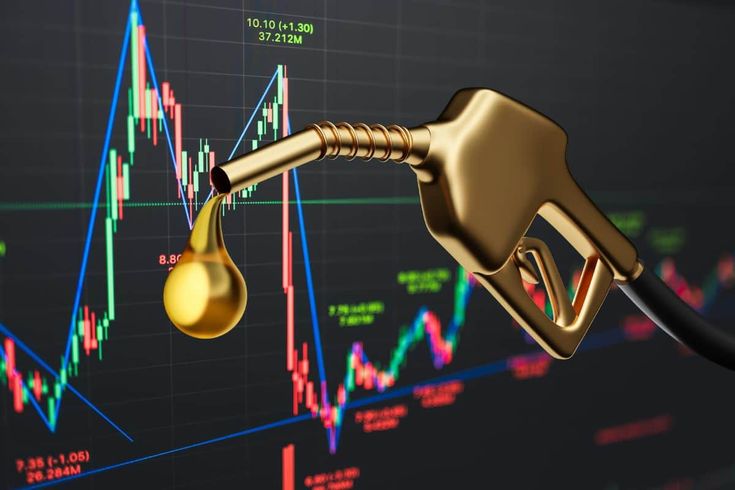
Prices are sliding and nobody seems to have a solid grip on why, or at least, they won’t admit it. Right now, Brent and WTI benchmarks are feeling the heat, and not in a good way. If you’re trying to make sense of Global Oil in 2024, you’ve got to look past the talking heads on TV. We’re seeing a massive shift where old rules just don’t apply anymore. It’s messy.
And here’s the thing about the current market: it’s not just about who has the most barrels in the ground. It’s about who’s buying and how fast the world is moving away from the pump. We’ve got Asia slowing down and OPEC+ trying to hold back a flood that’s already leaking through the cracks. It’s a tough time to be a bull.
Understanding Global Oil
When we talk about Global Oil, we’re basically looking at a giant, interconnected web of pipes, tankers, and shady deals that keep the world moving. It mostly boils down to two big names: Brent Crude from the North Sea and West Texas Intermediate (WTI) here in the States. Right now, as we push into 2025, the balance is way off. There’s too much stuff and not enough people wanting it. We’re looking at a loose supply balance that’s making traders sweat.
Don’t let the news from the Middle East fool you into thinking prices have to skyrocket. Sure, there’s risk, but the U.S., Guyana, and Brazil are pumping out so much crude it’s basically drowning out any supply fears. I’ve noticed that people forget how much non-OPEC production has changed the game. It’s not just the Saudis calling the shots anymore. Plus, renewables are finally starting to bite into the long-term demand numbers. It’s a slow burn. Really.
Why Global Oil Matters
You might think you don’t care about crude prices if you drive an EV, but you’re wrong. Global Oil is the hidden tax on everything you touch. From the plastic in your phone to the cost of shipping that steak to your local grocery store, it’s all tied to the barrel. When prices go up, inflation follows like a bad smell. When they drop, it usually means the big industrial machines in China and Europe are starting to grind to a halt. It’s an alarm bell for the economy.
We’re seeing nations scramble because their entire budgets are built on $80 a barrel. When it hits $70, roads don’t get built and schools don’t get funded in places like Nigeria or Venezuela. It’s also a massive driver for the stock market. If energy stocks tank, the whole index feels it. We believe you can’t understand the modern world without watching these price charts. It’s that simple.
Top Strategies for Global Oil
If you’re going to trade this or even just invest for the long haul, you need a plan that isn’t based on “vibes.” First, watch the OPEC+ meetings, but don’t just listen to the press release. Look at the actual production numbers. They say they’re cutting, but someone is always cheating. It’s just how it goes. Second, don’t put all your money into the raw stuff. Spread it out. Look at the companies that own the pipes or the refineries. They make money even when the price of a barrel is in the toilet.
And here’s a tip I’ve used for years: watch China’s PMI data. If their factories aren’t humming, they aren’t buying. If they aren’t buying, Global Oil has nowhere to go but down. You should also get comfortable with technical analysis. Support and resistance levels for WTI aren’t just lines on a graph; they’re where the big money decides to jump in. Also, learn how to hedge. Use options to protect yourself because a single headline can wipe you out in an hour. Seriously.
Common Mistakes with Global Oil
The biggest blunder I see? People trade the headlines. They see a “breaking news” alert about a refinery fire and they buy everything in sight. That’s a trap. Most of those spikes are gone in twenty minutes. You’ve got to look at the physical supply. If the oil is still flowing, the price won’t stay up. Another huge mistake is ignoring the U.S. Dollar. Since crude is priced in greenbacks, a strong dollar makes it more expensive for everyone else. That usually kills demand.
I also see people forgetting about the seasons. There’s a reason prices usually jump in the summer; everyone’s driving. In the winter, it’s all about heating. If you aren’t looking at the calendar, you’re flying blind. And please, stop thinking OPEC+ is the only player. The growth in non-OPEC supply has been huge. If you ignore what’s happening in the Permian Basin or off the coast of Guyana, you’re missing half the story. It’s a rookie move.
Advanced Tips for Global Oil
Ready for the pro stuff? Start looking at the crack spread. That’s just the gap between the price of crude and the price of the gasoline or diesel that comes out of it. If refiners are making a killing, they’re going to buy more crude. If their margins are thin, they’ll slow down, and crude prices will follow them down the drain. It’s a leading indicator that most retail traders completely miss.
You should also keep an eye on what we call “floating storage.” These are the massive tankers just sitting in the ocean because there’s nowhere else to put the oil. If that number starts going up, we’re in trouble. It means the world is oversupplied. Also, watch the spare capacity. If OPEC can’t turn the taps on any further, any little disruption sends prices to the moon. But right now? They’ve got plenty of room. That’s why the market isn’t panicking.

Buying Guide: Choosing the Best Global Oil
If you want to put your money where your mouth is, you’ve got choices. You can go for ETFs that track the price of WTI or Brent. But be careful. Those things can eat your lunch with “contango”—basically, the cost of moving from one month’s contract to the next. It’s a silent killer for your portfolio. For most people, I think buying the big oil majors is a better bet. They’ve got huge piles of cash and they pay solid dividends.
When you’re looking at these stocks, check their breakeven price. Some companies can make money if oil is at $40. Others start losing their shirts at $60. You want the ones that can survive a crash. Also, look at where they operate. A company with all its wells in a war zone is a gamble you don’t need. And yeah, look at their green energy plans too. Not because of the environment, but because that’s where the big institutional money is going. If they don’t have a plan, they’re going to get left behind.
Conclusion
So, where does that leave us? The world of Global Oil is in a weird spot. We’ve got plenty of supply, shaky demand, and a lot of people trying to figure out if the peak is already behind us. It’s a volatile mess, but that’s where the money is made. You just have to be smarter than the guy who only reads the headlines. Watch the data, stay skeptical, and don’t get married to a position.
Looking ahead, don’t expect a smooth ride. Between the shift to EVs and the massive production coming out of the Americas, the old “buy and hold” strategy for crude might be dead. You’ve got to be active. You’ve got to be fast. And most of all, you’ve got to realize that the energy market doesn’t care about your feelings. It only cares about the numbers.
FAQ
What causes oil prices to fluctuate?
It’s the classic battle between supply and demand. But add in some politics, some currency swings, and the occasional war. If the U.S. Dollar gets too strong, prices usually drop. If OPEC decides to stop pumping, they go up. It’s a constant tug-of-war.
How does China impact energy markets?
They’re the biggest buyer on the block. When China’s economy catches a cold, the rest of the market gets the flu. Their factory data is the number one thing I watch. If they aren’t making stuff, they aren’t burning oil.
What is the difference between Brent and WTI?
Brent is the international standard, mostly from the North Sea. WTI is the U.S. version. WTI is usually a bit “sweeter” and “lighter,” which just means it’s easier to turn into gasoline. Usually, they trade pretty close to each other, but the gap can widen if there’s a bottleneck in U.S. pipes.
Will renewable energy replace oil soon?
Not next week. We’re talking decades. You still can’t fly a massive cargo plane or run a giant container ship on batteries very easily. Oil is going to be around for a long time, even if the growth starts to slow down.
How can individuals invest in energy?
You can buy stocks in the big guys like Exxon or Chevron. Or you can grab an ETF like XLE. If you’re feeling brave, you can trade futures, but that’s a quick way to lose your shirt if you don’t know what you’re doing. Start small.

